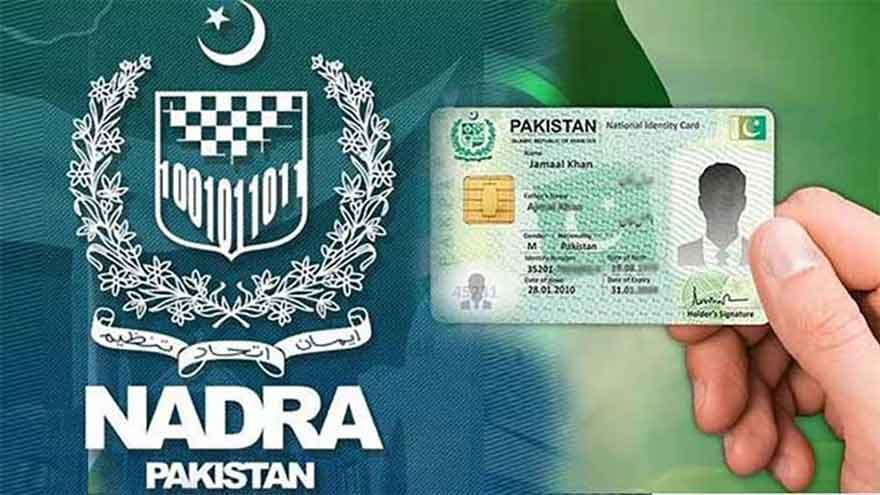
Summary NADRA launched a domestically produced, chipless national identity card featuring a secure QR code to eliminate reliance on imported microchips and simplify mobile-based digital verification.
ISLAMABAD (Web Desk) — Taking a significant step toward self-reliance and accessible digital identification, the National Database and Registration Authority (NADRA) has introduced a new chipless National Identity Card powered by a secure QR code.
The newly designed polycarbonate card was manufactured domestically in Pakistan by the National Security Printing Company (NSPC), Karachi, according to NADRA's technical and security specifications.
By replacing imported microchips with a secure QR code, the authority has eliminated dependence on foreign chip suppliers while streamlining the process for secure digital verification.
The federal government formally approved the issuance of the new identity card on February 23, 2026.
Instead of an embedded microchip, the card features a secure QR code that can be read and verified directly on smartphones using the PakIdentity (PakID) mobile application.
The embedded QR code contains the cardholder’s basic identification details and photograph, allowing institutions to accurately input biographical data into their computerized systems with minimal manual entry errors.
The new card incorporates specialized symbols and indicators for citizens with disabilities, senior citizens, organ donors, and residents of Azad Jammu and Kashmir, alongside the traditional family number.
Cardholder names and addresses are printed in both Urdu and English languages to maintain dual-language readability across official operations.
Visual and hidden security features on the card have been modernized in line with current security requirements and local manufacturing capabilities.
NADRA had originally introduced the chip-based Smart National Identity Card nearly 14 years ago, but widespread utilization was limited by the lack of physical chip readers and compatible infrastructure.
The QR code-based card resolves these operational barriers because verification can now be conducted using standard smartphones or standard camera-equipped software.
Specialized verification software will be provided to authorized organizations, including telecom operators, banks, hospitals, Pakistan Railways, and law enforcement agencies, enabling them to scan and verify cards instantly.
Read also: NADRA introduces self-service kiosks to simplify citizen services
The rollout of the new identity cards is structured to take place in phased stages across the country.
In the initial phase starting August 14, 2026, the new polycarbonate card with the secure QR code will replace the standard chipless Teslin material national identity cards currently being issued.
Beginning January 2027, the QR code framework will expand to all remaining identity card categories, including the National Identity Card for Overseas Pakistanis (NICOP) and Juvenile Cards.
In the final phase of the transition, the Pakistan Origin Card (POC) will also be migrated to the new chipless QR code platform.
NADRA confirmed that all previously issued identity cards will remain fully valid until their stamped expiration dates.