Summary Rising temperatures linked to El Nino are expected to significantly increase heat-related risks across Pakistan
(Web Desk) - A recent study has revealed that Pakistan is among the countries most vulnerable to the impacts of El Niño-driven climate change, with Lahore and Faisalabad potentially becoming some of the world's hottest cities by 2050.
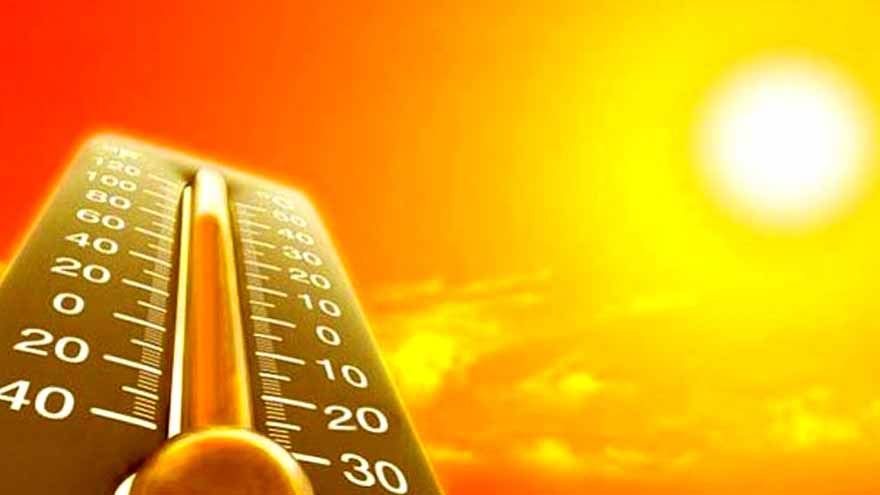
According to the research, rising temperatures linked to El Niño are expected to significantly increase heat-related risks across Pakistan. The study warns that Lahore and Faisalabad could experience extreme heat conditions in the coming decades, leading to a higher rate of heat-related deaths.
Meanwhile, the Pakistan Meteorological Department (PMD) has also sounded the alarm over the growing threat of heatwaves. Chief Meteorologist Lahore Dr Zaheer Babar said temperatures are rising under the influence of El Niño, while rapid urbanisation is further intensifying the problem.
He noted that high-rise buildings, vehicle emissions, a shortage of trees and the expansion of housing societies in urban centres such as Lahore, Faisalabad and Multan are contributing to the formation of urban heat islands and more frequent heatwaves.
Experts also warned that El Niño could result in below-average rainfall in Pakistan this year, increasing the likelihood of drought-like conditions and prolonged periods of extreme heat.
Environmental expert Dr Zulfiqar Ahmad cited research showing that while global temperatures have increased by approximately 1.5 percent, the rise has been significantly higher in some Pakistani cities. According to the findings, temperatures have increased by 4.5 percent in Karachi and 4.1 percent in Lahore.
Managing Director of the Parks and Horticulture Authority (PHA) Lahore said various tree plantation projects are underway to help mitigate rising temperatures. He added that housing societies are required to allocate at least seven percent of their area for tree plantation before receiving a no-objection certificate (NOC).
Experts stressed that immediate and effective government measures are needed to protect future generations from increasingly severe heatwaves and the growing impacts of climate change.