Updated on
Summary Cotton Ginners Forum Chairman Ehsanul Haq blames weak crop zoning enforcement, excessive sugarcane cultivation and new sugar mills for Pakistan’s declining cotton output.
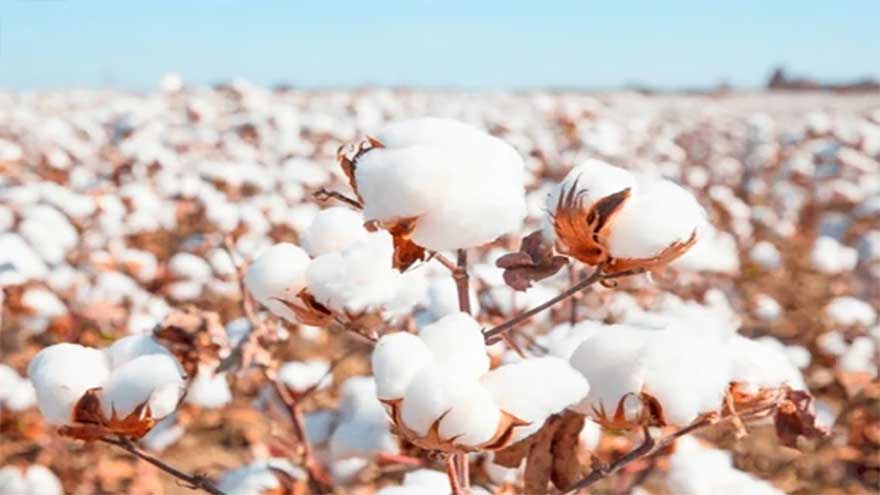
KARACHI (Web Desk) — Pakistan’s cotton production has declined by more than 60% over the past decade, making it the only major cotton-producing country to record such a steep drop, Cotton Ginners Forum Chairman Ehsanul Haq has said.
In a statement, Haq said the primary reasons for the decline were poor enforcement of crop zoning laws, excessive sugarcane cultivation in designated cotton-growing areas and the establishment of new sugar mills.
He stressed that enforcing crop zoning regulations and discouraging sugarcane cultivation in cotton belts were essential to restoring domestic cotton production. He said improvements to cotton research stations and other supporting measures should follow effective implementation of the zoning laws.
Haq also called for the proposed Pakistan Cotton Board to be given a legal framework under the leadership of the All Pakistan Textile Mills Association (APTMA). He suggested placing the Pakistan Central Cotton Committee (PCCC) and its subordinate institutions under the proposed board.
According to Haq, the decline in domestic cotton production and quality has contributed to a crisis in the local cotton sector, increasing Pakistan’s dependence on imported cotton and edible oil and placing an additional burden on foreign exchange reserves.
He said the government had yet to introduce an effective strategy to reverse the decline, despite a high-level meeting chaired by Deputy Prime Minister Ishaq Dar about a year ago that reportedly decided to establish a cotton board under APTMA’s leadership.
There were indications that implementation of the decision had begun after a year-long delay, he said.
The proposed board could include representatives of the Pakistan Cotton Ginners Association (PCGA), Karachi Cotton Association (KCA), Federation of Pakistan Chambers of Commerce and Industry (FPCCI), National Textile Education Council, private seed companies and relevant government institutions.
Haq also urged federal and provincial governments to prioritise enforcement of crop zoning regulations and modernise the Pakistan Meteorological Department to provide farmers with timely and accurate weather forecasts.
Meanwhile, cotton prices came under pressure last week amid the sector’s financial difficulties, limited buying by textile mills, imports of yarn and fabric under the Export Facilitation Scheme, and government inspections of cotton ginning factories, he said.
Cotton prices fell by Rs200 per maund to Rs18,500, according to Haq.
He also expressed concern over reports of financial scandals involving billions of rupees in Faisalabad’s yarn market and millions of rupees at some cotton ginning factories in Sindh, saying the developments had added to uncertainty across the sector.