Summary ECB researchers have analysed whether euro zone consumers have become more responsive to the economic impact of such geopolitical upheaval and say the evidence suggests they have
FRANKFURT (Reuters) – Euro zone consumers, already scarred by the Ukraine war, have changed their attitudes more quickly as a result of the upheaval of the Iran war, European Central Bank research showed on Friday, meaning the economic hit could be deeper and faster.
Russia's invasion of Ukraine in February 2022 caused an energy crisis and inflation from which Europe had largely recovered, but then US-Israeli airstrikes on February 28 launched a war on Iran that has led to unprecedented energy supply disruption.
ECB researchers have analysed whether euro zone consumers have become more responsive to the economic impact of such geopolitical upheaval and say the evidence suggests they have.
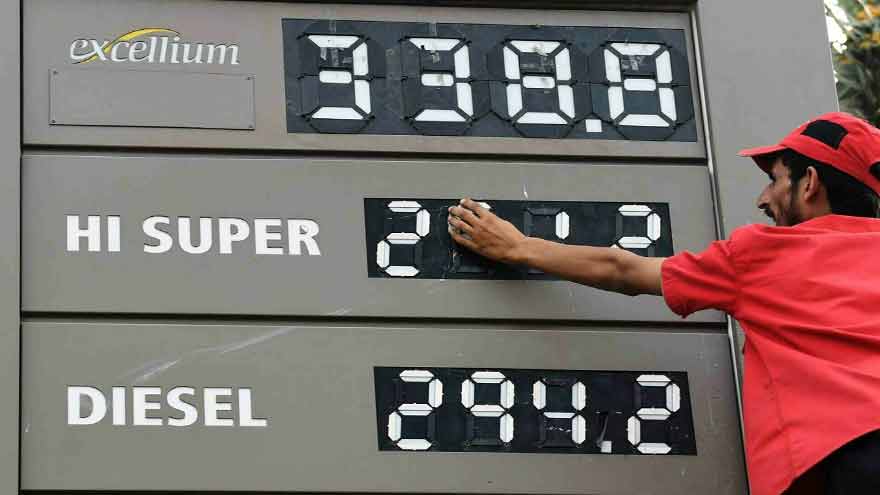
Drawing from the ECB's own Consumer Expectations survey, ECB economists including Olivier Coibion found that consumers immediately increased their attention to price changes when the Iran conflict started, even though inflation was still around 2%, the ECB's target level.
Nearly half of the respondents in the CES said they were paying attention to price changes in March 2026, a similar proportion to January 2023, when euro area inflation at 8.6% made concern in theory far more likely.
TWO SCARS MAY REINFORCE EACH OTHER
"This evidence suggests that consumers are experiencing the war in Iran with a potential 'double scar'," the ECB researchers said in their blog, which does not necessarily reflect the bank's official view.
"These two scars may reinforce each other and are likely to shape consumer expectations and behaviour in the coming months, as conflicts and heightened macroeconomic uncertainty persist."
The economists said such scars, or memories of financial stress, can increase consumers’ sensitivity to new shocks.
"This makes stagflationary scenarios – rising prices and declining growth – more pronounced and persistent in their beliefs. And it could reinforce macroeconomic uncertainty and ultimately influence consumer spending," the economists said.
Oil prices, which have a major inflationary impact, have fallen on hopes of a peace deal, but surged to well above $120 a barrel in April as a result of the Iran war.
As the ECB tries to manage the economic impact, it is all but certain to raise interest rates at its next meeting.