Summary Gold rebounds from 1-month low, rising 0.5%, but gains limited as higher oil prices and a stronger dollar fuel inflation fears and weigh on U.S. rate outlook.
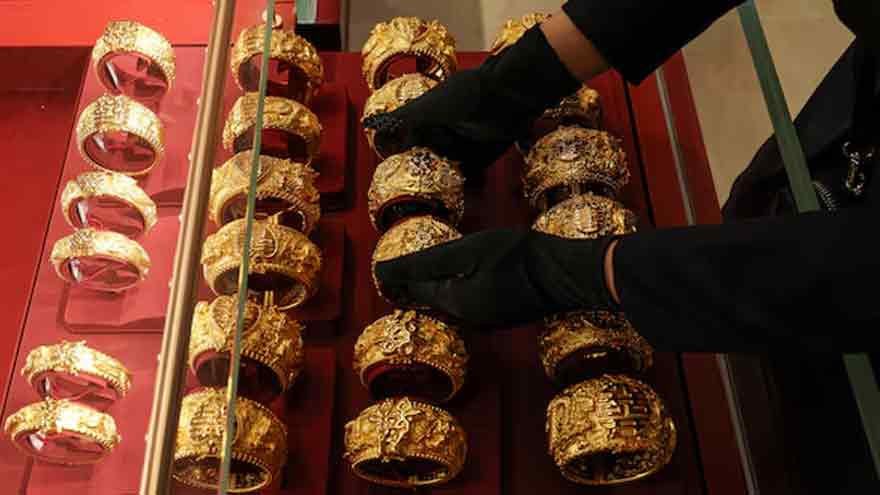
(Reuters) - Gold prices rose on Tuesday, rebounding from a more than one-month low hit in the previous session, though gains were limited by elevated oil prices that kept inflation fears alive and clouded the U.S. interest rate outlook.
Spot gold was up 0.5% at $4,541.39 per ounce, as of 0230 GMT. Bullion fell more than 2% to its lowest level since March 31 in the previous session. U.S. gold futures for June delivery rose 0.4% to $4,550.70.
"Prices seem to be digesting a bit after the return of the 'war trade' across markets sent gold lower Monday," said Ilya Spivak, head of global macro at Tastylive.
However, gains were capped as "yields and the dollar pushed higher as a rebound in crude oil stoked inflation fears. That weighed against non-interest-bearing and anti-fiat gold," Spivak said.
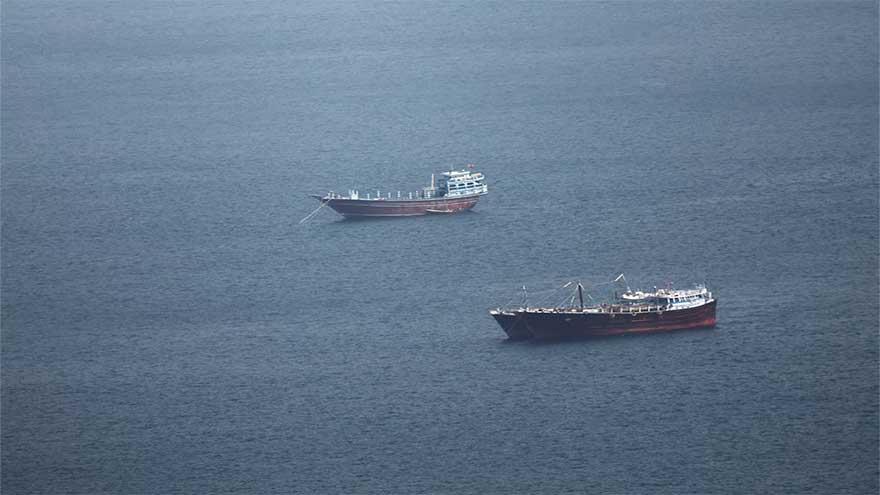
The dollar rose, and Brent crude oil hovered above $113 a barrel as the U.S. and Iran continued to work toward a truce while trading blows over the Strait of Hormuz.
A stronger U.S. currency makes dollar-priced metals more expensive for holders of other currencies.
Meanwhile, higher crude oil prices can stoke inflation, increasing the likelihood of higher interest rates. While gold is considered an inflation hedge, high interest rates make yield-bearing assets more attractive, weighing on its appeal.
Traders are now largely pricing out U.S. Federal Reserve rate cuts for this year, with markets now seeing a 37% chance of a hike by March 2027, compared with 27% expecting a rate cut a week earlier.
The U.S. and Iran launched new attacks in the Gulf on Monday as they wrestled for control over the Strait of Hormuz with maritime blockades, shaking a fragile truce.
The U.S. military said on Monday it destroyed six Iranian small boats and intercepted Iranian cruise missiles and drones as Tehran sought to thwart a new U.S. naval effort to open shipping through the Strait of Hormuz.
U.S. stocks ended lower after a South Korean ship was hit by an explosion in the Strait of Hormuz.
Investors now await a slew of key U.S. data this week, including U.S. job openings, the ADP employment report, and the April payrolls report.
Spot silver edged 0.4% higher to $73.03 per ounce, platinum gained 1.3% to $1,970.85, and palladium was up 1.2% at $1,497.91.