Summary Pakistan has in recent months moved to expand its fisheries exports
ISLAMABAD (Web Desk) - Pakistan plans to establish a fisheries and aquaculture research centre in Karachi as part of efforts to boost seafood exports and unlock growth in the country’s underdeveloped “blue economy,” the maritime affairs minister said on Thursday.
The initiative comes as Pakistan seeks to diversify its export base and generate jobs from its long coastline and marine resources, with the fisheries sector currently contributing less than 0.5 percent to gross domestic product despite significant untapped potential.
Globally, aquaculture has become one of the fastest-growing food sectors, driven by rising demand for protein and pressure on wild fish stocks. Countries investing in modern fish farming and supply chains have seen strong export growth, a model Pakistan is now trying to replicate as it looks to improve productivity, quality standards and market access.
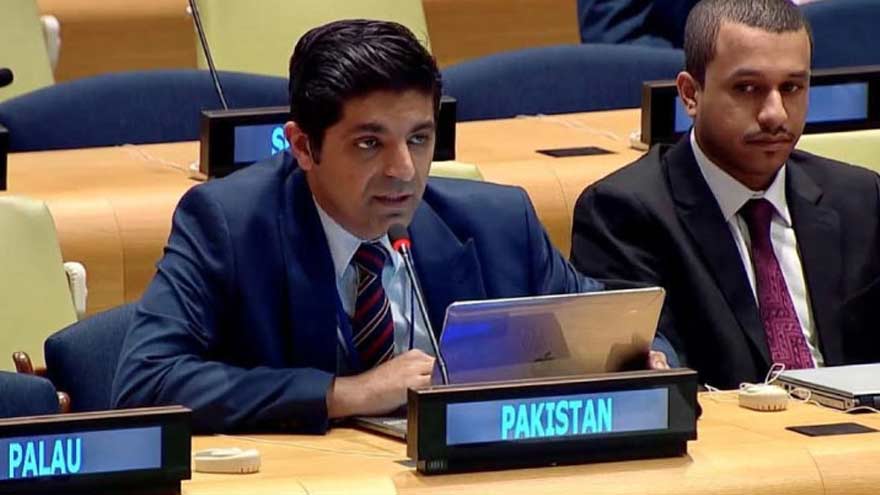
“This may seem small, but it can catalyze high-impact growth in the blue economy,” Maritime Affairs Minister Muhammad Junaid Anwar Chaudhry said in a statement, announcing a fisheries and aquaculture research center at the Qur'angi Fish Harbor Authority (KoFHA).
“If implemented effectively, it could transform fisheries into a multi-billion-dollar industry and serve as a model hub for modern aquaculture,” he added.
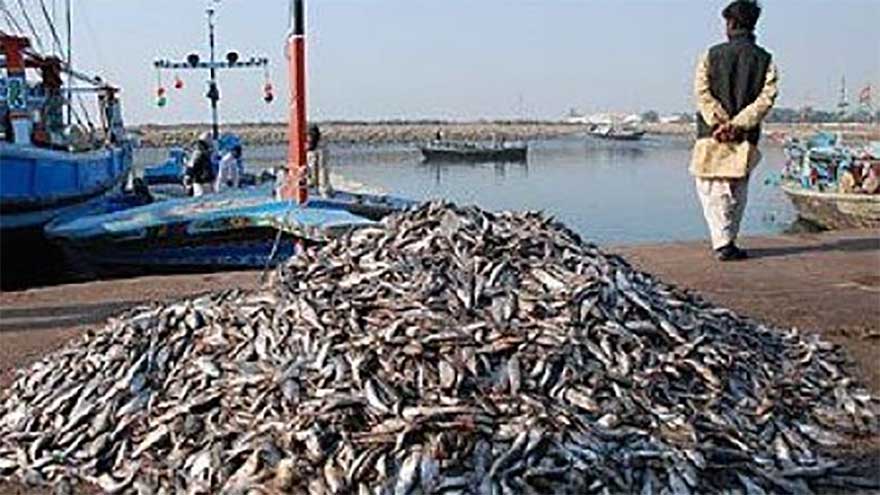
Pakistan has in recent months moved to expand its fisheries exports, including opening new markets and improving processing standards, as part of a broader push to strengthen its external sector.
The planned 10-acre facility at Qur'angi Fish Harbor will integrate the full seafood supply chain, from fish farming and landing to processing and export, while also providing research, training and testing capabilities.
The statement said the center will focus on improving yields, disease control and feed efficiency, while supporting fishermen, farmers and businesses through training programs and pilot projects.
The project is also expected to expand Pakistan’s export capacity by improving product quality and streamlining logistics, while creating jobs across farming, processing and transport.
Authorities say sustainability will be a key component, with controlled farming, stock management and waste reduction built into the design, though the minister warned of risks such as water pollution and disease outbreaks if not properly managed.
The facility will use advanced recirculating aquaculture systems, a technology that recycles and treats water in land-based fish farms, allowing production to scale efficiently even with limited coastal space.