Summary Gulf stock markets showed mixed but largely negative performance after Israel-Iran tensions intensified, while oil prices rose for a third consecutive day.
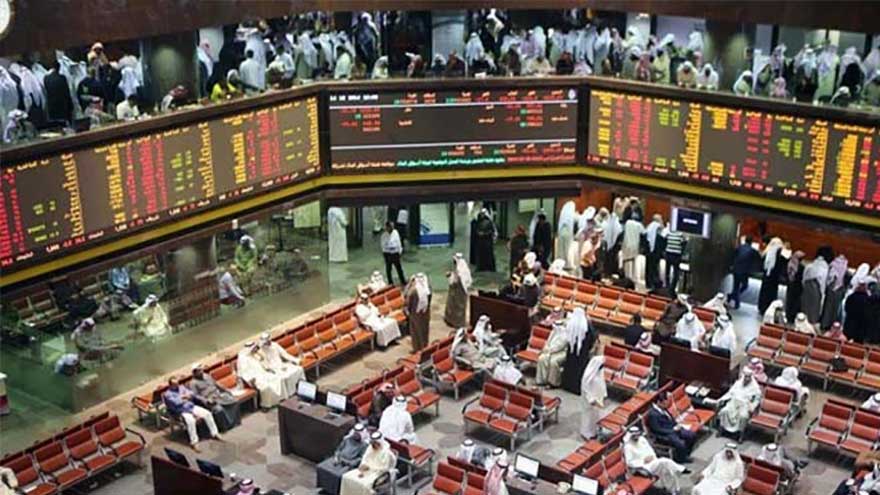
DUBAI (Dunya News) – Gulf stock markets experienced a predominantly downward trend on Tuesday amid escalating tensions involving Iran, Israel and the United States, according to reports.
The Qatari index fell by 0.9 percent following reports of Israeli and Iranian strikes. Qatar also suspended liquefied natural gas (LNG) production due to the deteriorating security situation, adding to investor concerns.
Reports indicated the possibility of force majeure declarations after alleged drone attacks on facilities in Ras Laffan. In Oman, the Muscat index dropped by more than one per cent, reflecting broader regional unease. Kuwait’s market, however, closed 0.6 percent higher, diverging from the general downward trend.
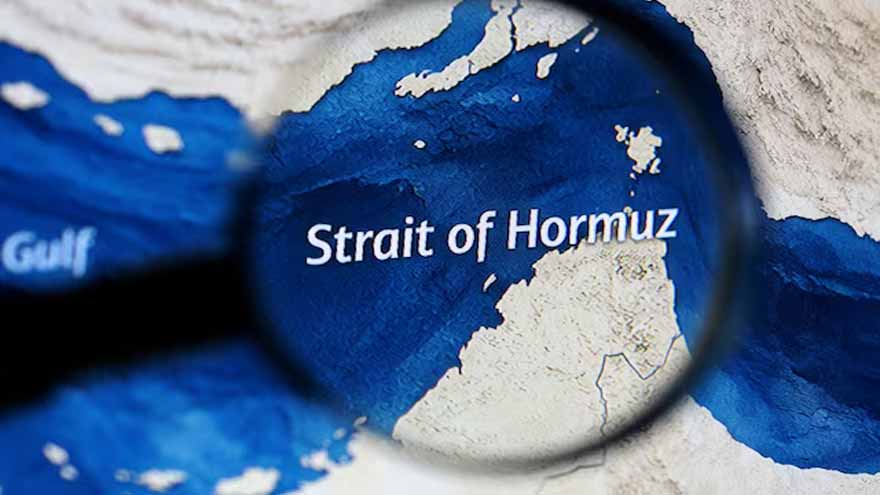
Oil prices rose for a third consecutive session amid threats related to the potential closure of the Strait of Hormuz, a vital global energy shipping route. The sustained rise in crude prices influenced trading activity across energy-linked stocks.
Saudi Arabia’s benchmark index gained 0.5 percent, supported by a 2.2 percent rise in shares of Saudi Aramco. Meanwhile, shares in SABIC climbed 3.1 percent, providing additional support to the Saudi market.
Market analysts cited geopolitical uncertainty as the primary driver of volatility, noting that investors remain cautious amid fears of further escalation.
There were also proposals suggesting that Gulf Cooperation Council (GCC) sovereign wealth funds could intervene to stabilise regional markets if required.
The developments underline the sensitivity of Gulf economies to geopolitical risks, particularly those affecting energy production and maritime trade routes.