Summary The crisis has prompted Asian governments and refiners to review oil stockpiles and alternative supply routes. Kpler analysts noted that India may turn to Russian crude
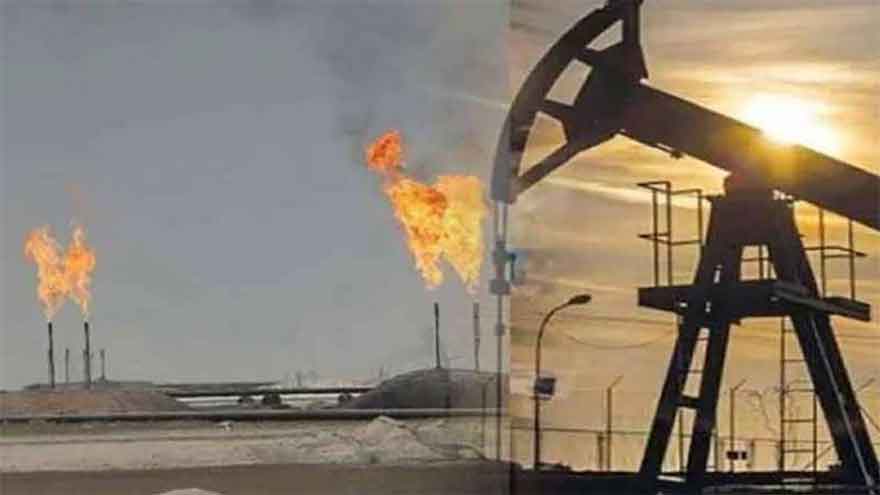
LONDON (Reuters) – Brent crude surged 10% to around $80 a barrel over the counter on Sunday, as U.S. and Israeli strikes on Iran escalated tensions in the Middle East. Analysts warn that prices could spike to $100 per barrel if the conflict persists.
The global benchmark had already rallied this year, hitting $73 per barrel on Friday, the highest since July, amid growing concerns over potential military strikes. Futures trading was closed over the weekend.
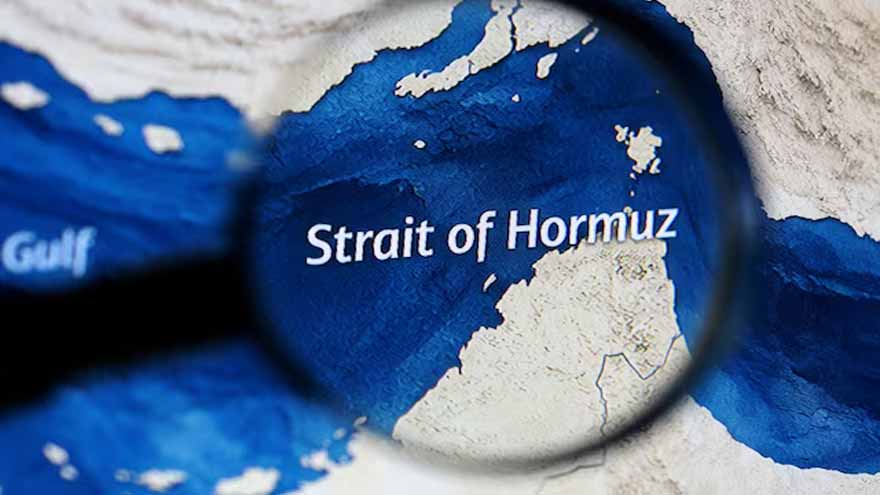
“While military attacks themselves support oil prices, the critical factor is the closure of the Strait of Hormuz,” said Ajay Parmar, Director of Energy and Refining at ICIS.
Following warnings from Tehran, most tanker operators, oil majors, and trading houses have suspended shipments of crude oil, fuel, and liquefied natural gas through the Strait, which handles more than 20% of global oil exports.
Parmar added, “We expect prices to open after the weekend much closer to $100 per barrel, potentially higher if the Strait remains blocked for an extended period.”
RBC analyst Helima Croft noted that Middle East leaders have cautioned that a war on Iran could push oil prices above $100 per barrel, while Rabobank analysts see near-term prices holding above $90.
In response, OPEC+ agreed on Sunday to raise output by 206,000 barrels per day starting in April, a marginal increase representing less than 0.2% of global demand.
Rystad Energy economist Jorge Leon said that even with alternate pipelines through Saudi Arabia and Abu Dhabi, the Strait’s closure could cut global crude supply by 8 to 10 million barrels per day. Rystad forecasts prices could rise by $20, reaching roughly $92 per barrel when markets reopen.
The crisis has prompted Asian governments and refiners to review oil stockpiles and alternative supply routes. Kpler analysts noted that India may turn to Russian crude to offset potential Middle East supply disruptions.