Summary As a major outcome, the two sides agreed to initiate consultations on a PTA aimed at improving market access and reducing trade barriers.
ISLAMABAD (APP) - Pakistan and Jordan have agreed to pursue a preferential trade agreement (PTA) and significantly expand bilateral cooperation across 16 priority sectors, ranging from trade, finance and industry to climate change, maritime affairs, health, technology and education, as the two countries signed the protocol to translate long-standing historical, political and diplomatic ties into measurable economic and institutional outcomes.
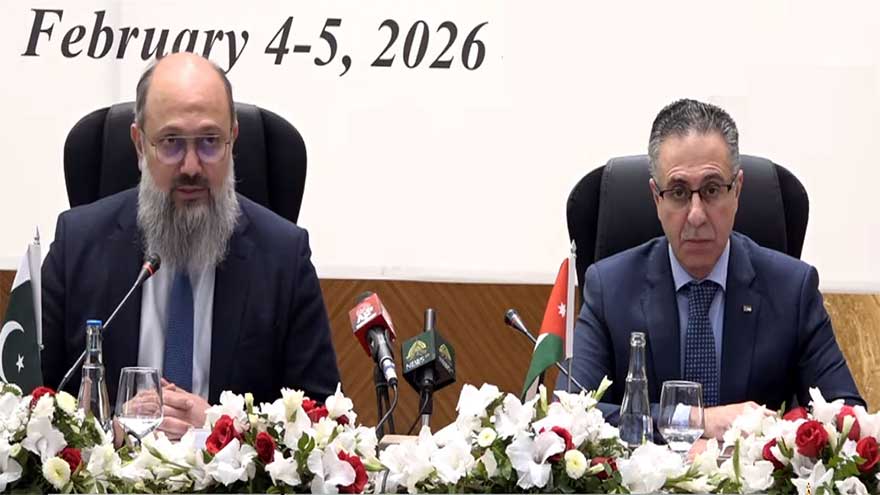
The understanding was reached at the 10th session of the Pakistan–Jordan Joint Ministerial Commission (JMC), held in Islamabad on February 4–5, co-chaired by Pakistan’s Minister for Commerce Jam Kamal Khan and Jordan’s Minister of Industry, Trade and Supply Yarub Qudah.
The session marks a renewed push and a milestone to operationalize cooperation under the JMC framework established in 1975.
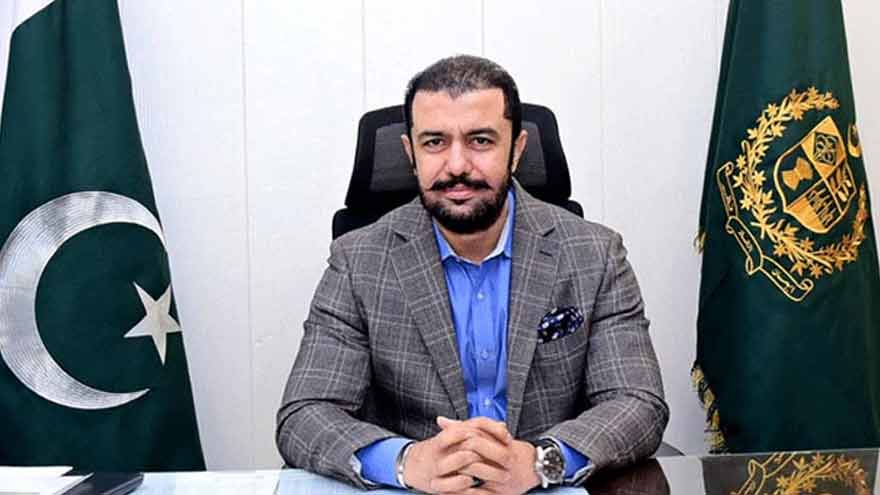
Welcoming the signing of the protocol, the Federal Minister said that the JMC reflected the shared resolve of both countries to pursue result-oriented cooperation, particularly in trade, investment and private-sector engagement.
As a major outcome, the two sides agreed to initiate consultations on a PTA aimed at improving market access and reducing trade barriers.
A Joint Working Group on Trade and Investment will lead the process, alongside efforts to activate the Pakistan–Jordan Business Council and promote business-to-business linkages.
The Commission also welcomed the signing of a Memorandum of Understanding on Information Technology and Telecommunications, aimed at promoting cooperation in digital innovation, technology services and collaboration between the ICT sectors of both countries.
The JMC agreed to strengthen cooperation in banking and finance, including collaboration between the central banks, and expand engagement in industry, agriculture, halal standards, education, skills development, healthcare, climate change, energy, mining, maritime affairs, media, culture and tourism through institutional linkages and joint working groups.
Secretary, Ministry of Economic Affairs, Mr Muhammad Humair Karim Kidwai, underscored the importance of structured follow-up mechanisms to ensure effective implementation of the agreed decisions.
The breadth of cooperation reflects a shared commitment to structured follow-up and implementation. Both sides expressed their commitment to holding the Joint Ministerial Commission on a regular basis as a key institutional mechanism to further strengthen Pakistan–Jordan economic cooperation.