Summary The State Bank of Pakistan is expected to hold its policy rate at 11% for the fifth consecutive meeting, as rising food prices, seasonal inflation risks
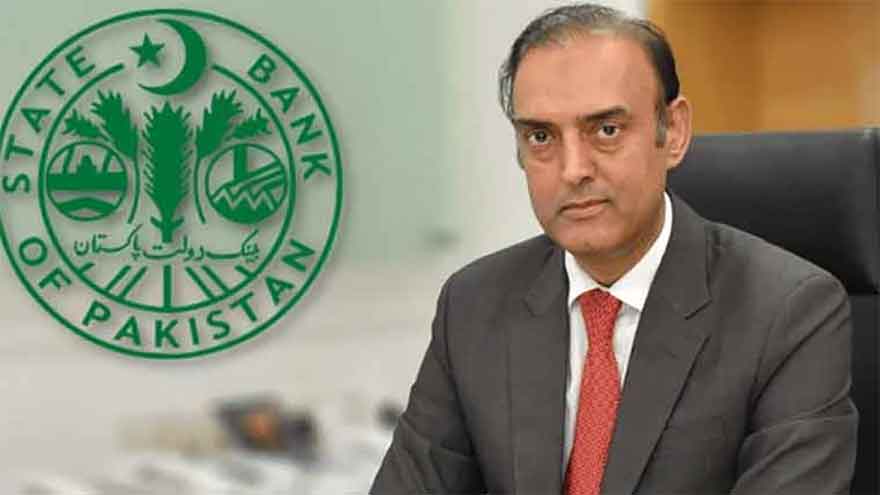
KARACHI (Dunya News) – The State Bank of Pakistan (SBP) is widely expected to maintain its key policy rate at 11% in its upcoming Monetary Policy Committee (MPC) meeting scheduled for Monday, as inflation risks linked to food prices and external pressures continue to weigh on the outlook.
A majority of analysts and surveys conducted by leading brokerage houses anticipate no change in the policy rate. Headline inflation has shown an upward trend in recent months, increasing from 4.1% in July to 6.1% in November, largely driven by disruptions in food supply following recent floods.
After cutting interest rates by a cumulative 1,100 basis points since June 2024, the central bank has kept the policy rate unchanged at 11% for the last four consecutive meetings. The most recent rate cut was announced in May this year.
According to a recent research note by Arif Habib Limited (AHL), the SBP is likely to adopt a cautious stance and hold rates steady in December, as the base effect that previously suppressed inflation has begun to fade.
The report noted that a slight widening of the current account deficit, coupled with the early stage of domestic economic recovery, supports a wait-and-see approach by the central bank.
AHL warned that inflationary pressures could intensify in the coming months due to seasonal factors, including Ramazan and Eid falling in the second half of fiscal year 2026. While inflation could temporarily approach double-digit levels if monthly momentum accelerates, the full-year FY26 average is still expected to remain within the SBP’s medium-term target range of 5-7%.
On the external side, analysts described conditions as broadly stable but cautioned that rising import demand and evolving trade dynamics could create additional pressure going forward.
Some market participants now believe that the SBP may delay further monetary easing until the next fiscal year, starting July 2026.
“Our base case assumes a 100 basis point reduction in interest rates during FY27, while rates remain unchanged for the rest of FY26,” said Mustafa Mustansir, head of research at Taurus Securities Limited.
Analysts also highlighted the central bank’s focus on maintaining positive real interest rates.
“Keeping the rate unchanged supports positive real returns and aligns with IMF-backed policy discipline, especially when external buffers remain fragile,” said Saad Hanif, head of research at Ismail Iqbal Securities.
He added that with most of the easing already delivered earlier, the MPC is likely to wait for clearer and sustained disinflation before considering any further cuts.
In its latest staff report released on Thursday, the International Monetary Fund urged Pakistan to keep monetary policy sufficiently tight and data-driven to ensure inflation remains within the SBP’s target range.
The IMF noted that the central bank’s cautious approach has helped manage inflation risks despite volatile conditions and temporary declines in headline inflation.
The IMF also advised the SBP to closely monitor the impact of recent floods on inflation and the external account and remain ready to take decisive action to keep inflation expectations well anchored.