Summary IAEA head Grossi vouches for safety of water release at wrecked Fukushima plant
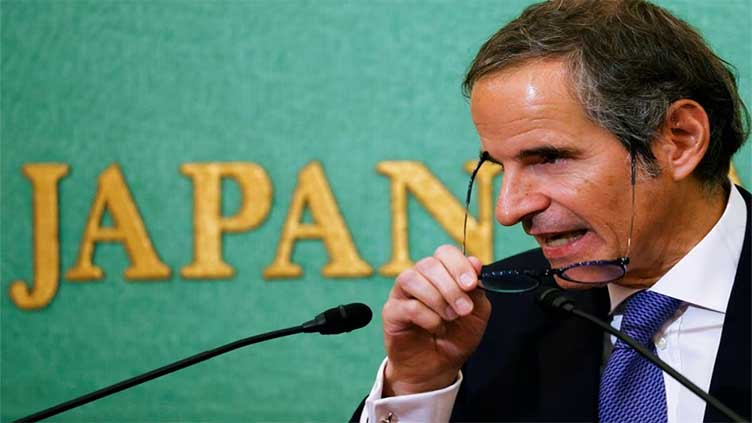
TOKYO (Reuters) - International Atomic Energy Agency (IAEA) chief Rafael Grossi on Wednesday vouched for the safety of Japan's plan to release treated radioactive water from the Fukushima Daiichi nuclear power plant into the ocean after he surveyed the facility.
In a major milestone for the decommissioning of the power plant, destroyed in a massive earthquake and tsunami in 2011, the IAEA said on Tuesday that a two-year review showed Japan's plans for the water release would have a negligible impact on the environment.
Japanese fishing unions have long opposed the plan, saying it would undo work to repair reputational damage after several countries banned some Japanese food products for fear of radiation. Japan regularly tests seafood from the Fukushima area and has found it to be safe.
Grossi said there were no pending issues, after surveying the wrecked power plant and feeding flounder raised in the treated radioactive water as proof of its harmlessness.
He also inaugurated an IAEA office on site that will monitor the release of the water, which is expected to take 30 to 40 years.
Still, the reality for people, the economy, and social perceptions may be different from the science, Grossi said, acknowledging the fears surrounding the water release.
"I don't have a magic solution for the doubts and concerns that may exist, but we do have one thing ... we are going to stay here with you for decades to come ... until the last drop of the water has been safely discharged," he said.
The Japanese government is looking to start releasing water as early as August, the Nikkei reported on Wednesday.
The plan still needs official approval from the national nuclear regulatory body, which is expected on Friday.
CRITICISM ABROAD
Some neighbouring countries have also raised concerns over the threat to the environment, with Beijing emerging as the biggest critic.
Chinese foreign ministry spokesman Wang Wenbin on Wednesday criticised the move towards discharging the water and threatened action if the plan should move ahead.
"The relevant Chinese government departments will strengthen the monitoring of the ocean environment and inspection of marine products import, so as to ensure the health and food security of the public," he said, but declined to give specific details on what sort of action the government would take.