Summary Sudan's cultural heritage in peril as fighting rages
CAIRO (Reuters) - In Sudan's capital, precious books in a major library have been burned and the national museum has been cut off for weeks by fighting. In Darfur, another museum is at risk from seasonal rains after projectiles punctured the roof.
The conflict that has been raging between rival military factions in Sudan since mid-April has taken a toll on the country's rich cultural heritage, which includes the ancient Kingdom of Kush that controlled trade between southern Africa and Egypt at the time of the pharaohs.
Experts are scrambling to save what they can.
According to a report published last week by Heritage For Peace, a cultural heritage NGO in touch with local researchers and archaeologists, at least 28 cultural and archaeological sites around the country have been targeted or suffered collateral damage.
Some sites including several universities are being used for military purposes, according to Mahassin Yousif, an archaeologist at Bahri University.
The paramilitary Rapid Support Forces (RSF), which is locked in a power struggle with the army, released a video in early June showing their forces inside Sudan's National Museum, which is in the centre of the capital Khartoum and houses some of the world's oldest and most important mummies. Staff have been unable to get there to check for damage.
"There is a real problem in accessing complete information about the reality of what is happening, simply because most of these sites are within the scope of the fighting areas," said Yousif.
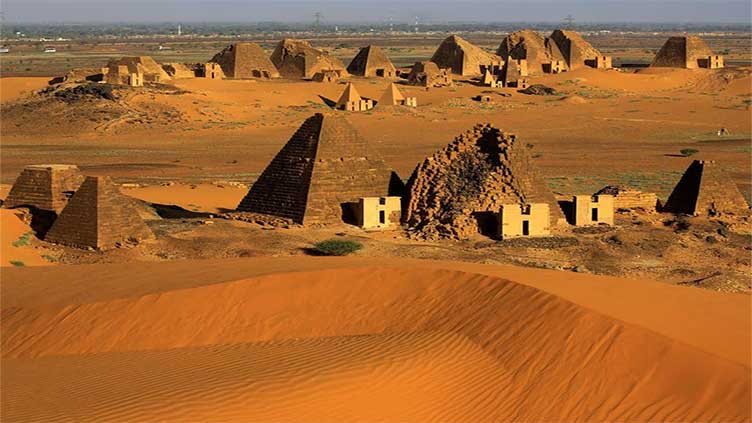
Sudan has two UNESCO world heritage sites: Meroe Island, home to one of the largest ancient pyramid complexes in Africa, and Jebel Barkal, a sacred sandstone mountain close to tombs, temples and palaces that dot the course of the Nile River.
Both are in areas that are relatively calm.
"At the same time, the location has intensified chances of looting and theft," said Ismail Hamid Nour, a Sudanese researcher at Britain's University of Birmingham who is documenting sites at risk.
Unrest across the western region of Darfur has left at least four museums damaged, according to Heritage for Peace.
The roof of the museum in Nyala, Sudan's second largest city and capital of South Darfur State, "has incurred minor damage from projectiles, leaving the interior vulnerable to rainfall as Sudan's rainy season approaches", the group reported.
The museum contains pottery, jewellery and tools that show the diversity of civilisations that once flourished in Darfur, where ethnically-motivated violence has surged again since April. It is considered one of Nyala's main civic spaces.