Summary Attacks on citizens have ranged from knife, gun and bomb attacks to truck plowing into crowds.
Europe has been in the grip of terrorism since the last few years. Attacks on European citizens have ranged from knife and gun attacks to bomb blasts to trucks plowing into crowds. During the past year, a total of 141 people have been killed while around 566 have been injured in different incidents of terrorism across Europe. These terror incidents did not only create an atmosphere of fear in Europe but also resulted in tighter immigration controls and countries closing their borders to refugees coming from the Middle East, as many in Europe have perceived Europe opening its door to refugees and immigrants as the cause for these attacks.
Here is a list of major attacks that have taken place in Europe in the past year.
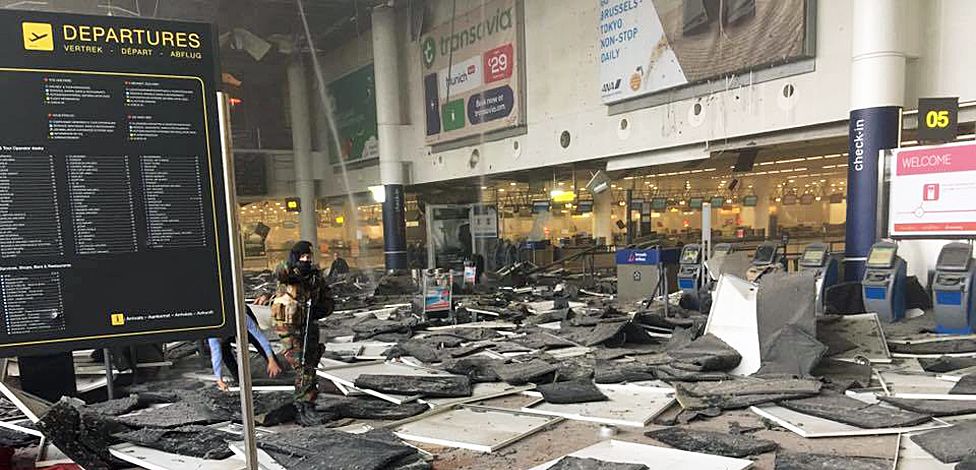
Brussels:
On 22 March 2016, suicide bombings at the airport and metro train station in Belgium’s capital, Brussels, killed 18 people and injured 300 people.
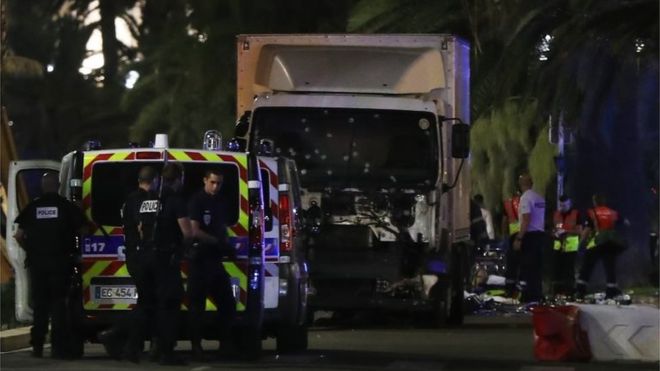
Nice:
On 14 July 2016, during Bastille Day celebrations in the French city of Nice, a truck plowed into crowds killing 84 people while injuring more than a hundred.
Wurzburg:
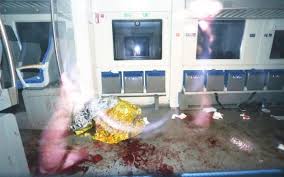
On 18 July 2016, in the German city of Wurzburg, an attacker armed with a knife injured four people while travelling in a train.
Ansbach:
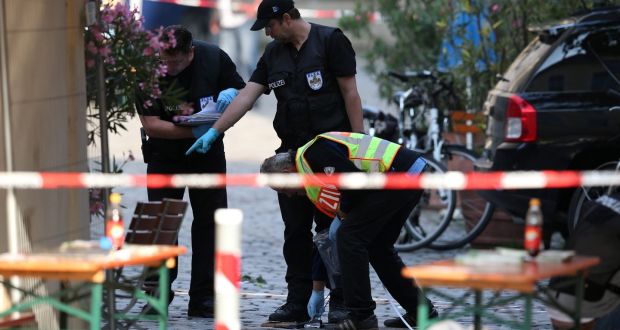
On 25 July 2016, while the Ansbach Open Music Festival was underway in Ansbach, Germany, a suicide bombing near the event venue’s entrance injured 15 people.
Berlin:
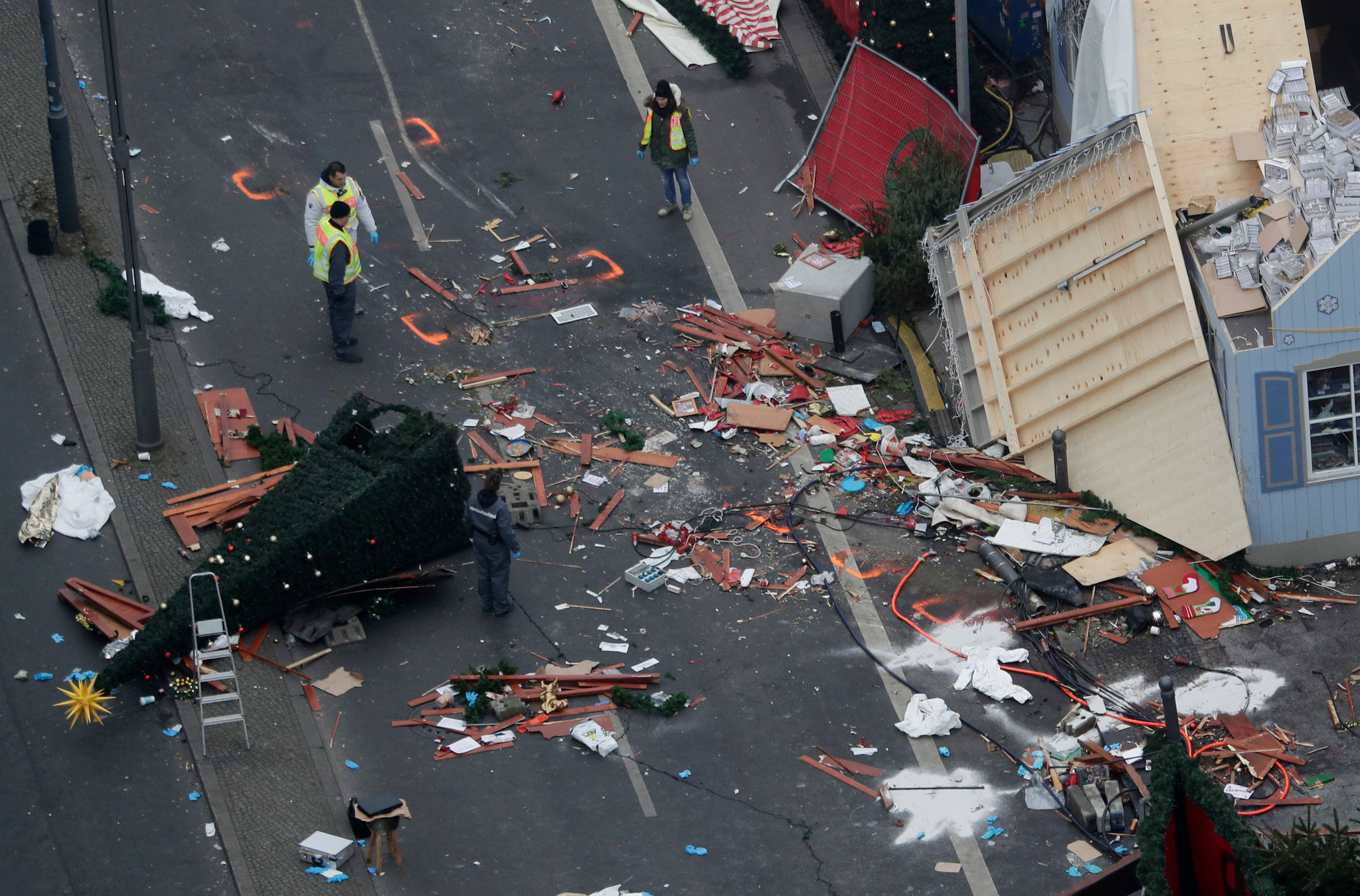
On 19 December 2016, a truck plowed into a crowd at a Christmas market in Berlin, killing 12 people and injuring 48.
London:
On 22 March 2017, while British Prime Minister Theresa May was present in the British Parliament, an attacker drove his car into people on the Westminster Bridge, killing 4 people and injuring 40.

Manchester:
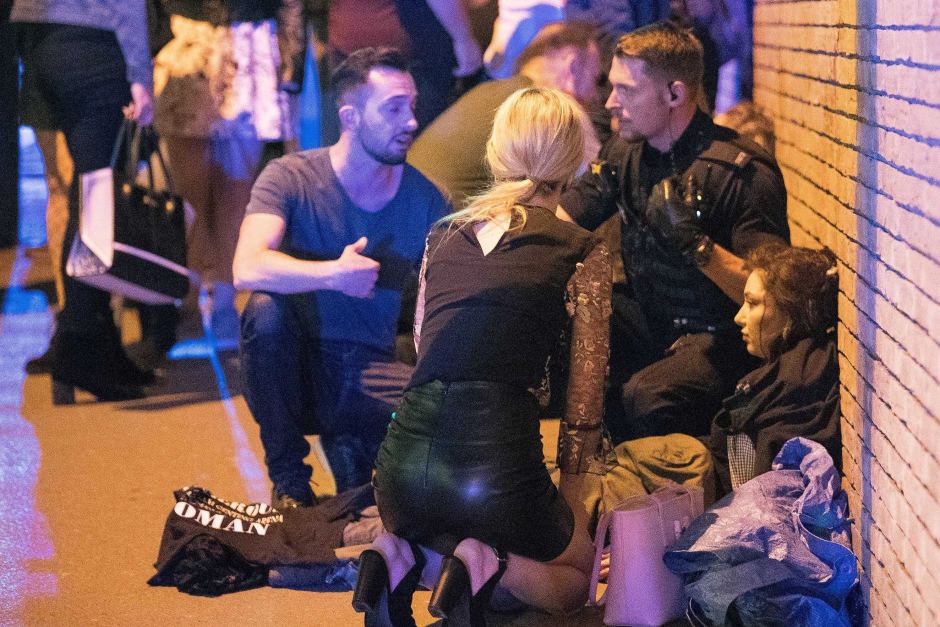
On 23 May 2017, a suspected suicide bombing at Ariana Grande’s concert in Manchester killed 23 people while injuring 59.
All these attacks were reportedly linked to the Islamic State. Either the terrorist organization directly claimed responsibility for the attack or the attackers had pledged allegiance to ISIS and were in contact with militants belonging to the terror group. Some of the attackers were refugees and asylum seekers, resulting in an increased feeling of resentment among Europeans towards immigrants and refugees. The attacks have also resulted in calls for stricter policies towards refugees and immigrants, causing people in various European countries to rally behind populist right wing leaders whose election rhetoric revolves around these policies.