Updated on
Summary
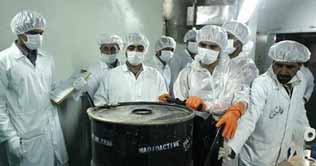
Iran has combined more than two tons of enriched uranium, the UN atomic agency said Monday in a report that heightened Western concerns about the country developing the ability to produce a nuclear weapon.Two tons of uranium would be enough for two nuclear warheads, although Iran says it does not want weapons and is only pursuing civilian nuclear energy. The US and the four other permanent UN Security Council members Russia, China, Britain and France, have tentatively backed a draft fourth set of UN sanctions against Iran over its refusal to stop enriching uranium. Separately, the International Atomic Energy Agency (IAEA), the UN nuclear watchdog said Syria continues to stonewall agency reports to follow up on US assertions that a facility destroyed three years ago by Israeli warplanes was a secretly built reactor meant to produce plutonium. For seven months, Iran refused to accept a deal brokered by the UN's International Atomic Energy Agency that foresaw Iran exporting 2,640 pounds (1,200 kilograms) of low-enriched uranium to Russia and France to be turned into fuel for Tehran's research reactor. The West backed that offer because it would have committed Iran to exporting most of the enriched uranium it had produced and left it with less than the 2,200 pounds (1,000 kilograms) of material needed to produce enough weapons-grade uranium for a bomb. Iran rejected the offer then but now says it is ready to ship out the same amount of material and has enlisted the backing of Turkey and Brazil in trying to reach a compromise and derail the new sanctions push. Based on an overall analysis of all the information available, the agency remains concerned about the possible existence in Iran of past or current undisclosed nuclear related activities, involving military related organisations, the International Atomic Energy Agency (IAEA) said in the restricted report. Some of those activities were related to the development of a nuclear payload for a missile. There are indications that certain of these activities may have continued beyond 2004, the report said.