Updated on
Summary
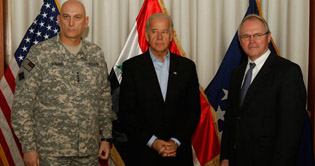
US Vice President Joe Biden met the Speaker of Iraq's Parliament on Saturday, one of several meetings he is having in Baghdad amid a row over a decision to bar scores of candidates from March elections over suspected links to the Baath party. The move by an independent panel has outraged Sunnis who dominated Iraq for more than two decades under Saddam and who see it as an attempt to marginalise their community, casting doubt on the legitimacy of the March 7 vote - a pivotal test of whether Iraq can sustain growing peace and build a future of prosperity based on oil deals. Sunnis largely boycotted the last national elections in 2005, feeding resentment and fuelling the insurgency against US troops and the Shi'ite-led government. That could happen again if Sunnis feel unfairly excluded from this election. The list of 511 banned candidates actually included more Shi'ite politicians than Sunnis. It was weighted against secular groups expected to fare well in the election against the Shi'ite Islamist parties that have dominated Iraq since the invasion. Biden's first meeting on Saturday was with Shi'ite Prime Minister Nuri al-Maliki, after which Iraqi spokesman Ali A-Dabbagh, said: The issue of justice and accountability is an Iraqi issue and an internal affair which should be discussed by Iraqis. US Vice-President Joe Biden has confirmed to MrIraqi PM Nuri al-Maliki that this issue has to be discussed by Iraqis, and there is no role for the the United States or himself. More of the 6,500 candidates in total standing in the election are expected to be banned for other reasons, such as for having criminal records or using fake university degrees. Biden was asked by President Barack Obama to take the White House lead on Iraq policy.