Updated on
Summary Authorities in Kuwait warned they will use harsh measures to crack down on anti-govt demonstrators.
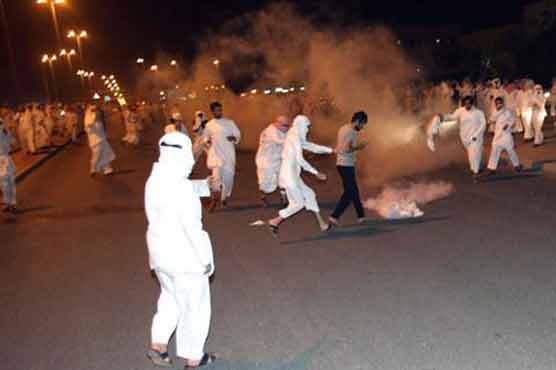
The statement came just hours after clashes between security forces and thousands of protesters who had gathered outside a prison in Kuwait City on Wednesday evening to demand the release of an opposition leader, Musallam al-Barrack, who is under investigation for allegedly insulting Kuwaits emir.Al-Barrack, a former parliament member, was released from custody Thursday on bail of 10,000 dinars (more than $35,500), Kuwait media reported.Kuwait last week banned any public gathering of more than 20 people in attempts to quash growing protests led by opposition factions that include Islamists, which is seeking to reclaim control of parliament in elections planned for Dec. 1.The outcome is seen as a pivotal moment in Kuwaits political showdowns.A victory for the Islamists and their allies could bring even more pressures on the Western-backed ruling family, which has so far turned back demands for stricter Muslim social codes in Kuwait.Kuwaits deepening political crisis could bring further rifts in one of Washingtons most important Gulf allies, which now hosts the bulk of US ground forces in the region following Americas withdrawal from Iraq.Kuwait has the most politically empowered parliament among the Gulf Arab states, with opposition lawmakers often directly challenging government officials over alleged corruption and power abuses.But Kuwaiti officials have taken a hardline position as protests have moved to the streets. Kuwaits Interior Ministry said forces will firmly confront any new demonstrations.It said a number of protesters have been arrested, including a driver who allegedly tried to run over four policemen late Wednesday.Oil-rich Kuwait has not faced widespread unrest since the Arab Spring uprisings erupted last year across the Middle East, but political battles and labor upheavals have stalled many development plans and rewritten the rules on political dissent.