Updated on
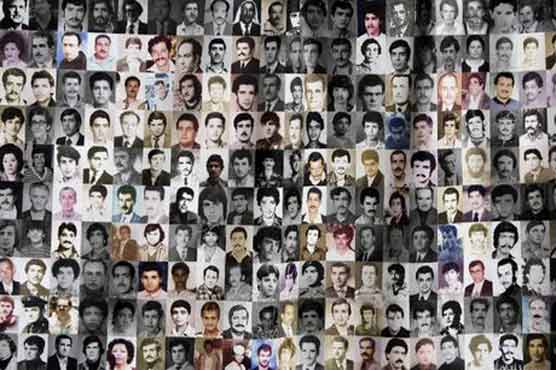
Summary A rights group has launched a campaign to determine fate of 17,000 people still missing.
The initiative aims to seek justice over a central issue of the civil wars legacy -- one that has never been resolved and has often been shrouded in silence.The campaigns goal is to mobilise Lebanese society, especially the youth, so that they in turn put pressure on the authorities and push for a solution, said Justine Di Mayo, president of ACT for the Disappeared, a Lebanese association spearheading the campaign.The media campaign aims to put the issue of the missing and disappeared back in the headlines until a solution is reached, the group said in a statement.Justice for victims, it said, is crucial if Lebanon is to move forward from its 1975-1990 civil war, which saw the country overrun by militias vying for power and left more than 150,000 dead.If Lebanon does not put victims at the centre of its priorities, the future of the country is likely to remain hostage to violence, the statement said.Though in the works for months, the right to know campaign comes after fresh violence following a car bomb attack two weeks ago that raised memories of Lebanons 15-year civil conflict.Maryam Saidi, whose 15-year-old son went missing during the civil war, said the families of the disappeared need to know what had happened to them.Thirty years have gone by, and nothing has changed since my son disappeared in June 1982. We know nothing about our relatives, and there has been no justice for the families, said Saidi.In the beginning I had hope he would return. Now we want the truth and justice, she said. None of the Lebanese warlords were tried for their crimes.A blanket amnesty was issued for Lebanese militia leaders when the war came to an end. Many remain active in politics today.We waited for one government after another to act, but nothing has happened, said Saidi, her eyes filled with anxiety years after her sons disappearance.When your child goes missing, time stops. I was another woman before Maher disappeared. I used to wait for him to come home to tell me about his latest exam, she said. Now, I just wait to find out what happened to him.The associations Di Mayo believes a national commission should be established to investigate the disappearances.A national commission would be able to carry out inquiries into what happened to the missing, she said.The vast majority of victims were forcibly disappeared by Lebanese militias from across the sectarian and political spectrum, said Di Mayo.Some of the missing were transferred to prisons in neighbouring Syria, others to Israel. The armies of both countries have occupied Lebanon.The media campaign includes television spots, billboards and actions on social networks, said the organisation.Five TV spots will be aired for two weeks on several Lebanese channels starting from Wednesday. A march through central Beirut is also planned for November 17.One of the spots shows a woman laying the dinner table and pouring water into a glass for her husband, who went missing 20 years ago. The clock ticks uncomfortably, as she dines alone.For 20 years, Tawfiks wife has been living on hope, says the voiceover. Enough waiting.