Updated on
Summary US and Kabul have signed a strategic partnership treaty governing relations after 2014 pull-out.
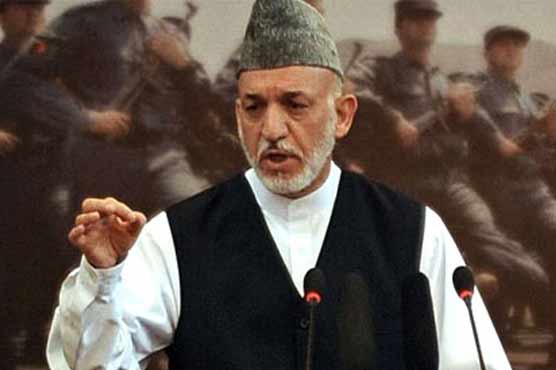
Afghan President Hamid Karzai has warned there could be problems ahead over the crucial issue of immunity from prosecution for any American or NATO soldiers deployed in the country after 2014.The US-led NATO force of more than 100,000 troops is due to end combat operations against Taliban insurgents at the end of that year, but thousands of soldiers are expected to remain in Afghanistan to train and assist Afghan forces.The immunity issue, if Karzais warning is meant seriously and is not simply a tactical move, could be a deal breaker.In Iraq, Washington pulled out all its troops, leaving no residual force, after failing to get Baghdad to grant its soldiers protection from prosecution in local courts.In Afghanistan, the question is likely to come down to who needs the other most. The US wants a hand in preventing the country once more becoming a haven for Al Qaeda, and Kabul needs US help in the fight against the Taliban.Karzai said in a statement that he had told visiting NATO Secretary General Anders Fogh Rasmussen during talks in Kabul Thursday that the Afghan people might not permit their government to grant immunity.This would happen if the war and insecurities continue in Afghanistan, Afghan borders are not protected, and the immunity for foreign forces comes on top of these issues, he said.Karzai knows he has a bargaining chip in this negotiation, and his statement could be seen as a bid for even more cash and support from the United States and NATO countries after 2014 than has already been pledged.He also plays to his domestic audience, at times irritating the US and Western governments with harsh criticism of their roles in Afghanistan.Washington and Kabul have signed a strategic partnership treaty governing relations after the 2014 pull-out, but a status of forces agreement involving immunity for troops is subject to separate negotiations.A spokesman for the US embassy told AFP those negotiations have not yet begun -- we expect them to begin in the near future.He declined to comment on Karzais remarks.I think it is unimaginable that the Americans would compromise on this and allow their people to be put through Afghan courts if they are accused of crimes, Kate Clark of the Afghanistan Analysts Network has said.The issue was complicated after a murderous rampage in March by a US soldier who allegedly killed 17 Afghan villagers in their homes at night before being flown out of the country.Afghan politicians had called for him to be handed over by the Americans to face justice locally.Other issues such as the burning of Korans at an American base and the deaths of civilians at the hands of NATO forces, mainly through air strikes, have also caused deep resentment among Afghans.Last year a loya jirga -- a traditional grand assembly of tribal chiefs -- demanded that American troops should be liable to prosecution in local courts.Despite the fact our people are poor and living in poverty, they first want respect for national sovereignty and security for their country and children, Karzai said.Thus the legal status of foreign forces after 2014 is dependent on ensuring security, stability and protecting Afghanistans borders.Rasmussen had earlier told a joint news conference with Karzai that NATO plans to establish a new mission in Afghanistan after 2014.This will not be a combat mission, it will focus on training, advice and assistance and we are now planning for this mission, he said.US military sources have said they envisage a follow-on force of around 15,000 personnel in Afghanistan, focusing on air power, logistics, training, intelligence and counter terrorism, though this has not been officially confirmed.