Updated on
Summary Turkish southeast is a frequent scene of Kurdish rebel attacks.
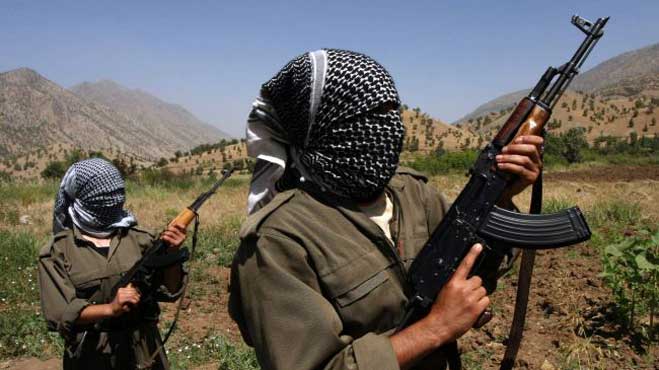
The recent increase in Kurdish rebel attacks close to the Turkish-Syrian border is ringing alarm bells in Ankara, as Turkish experts and media say it might point to a spillover from the crisis in Syria.Although the Turkish southeast is a frequent scene of Kurdish rebel attacks, Wednesdays bombing that killed nine people in previously unaffected Gaziantep city has sparked national fury, as well as suspicions of a Damascus hand behind the incident.Its known that the PKK works hand in hand with Syrias intelligence organisation Al-Mukhabarat, claimed ruling Justice and Development Party (AKP) deputy chairman Huseyin Celik following the blast, referring to the rebel Kurdistan Workers Party.Syrian President Bashar al-Assad is inclined to see Turkeys enemy the PKK as a friend on the basis that my enemys enemy is my friend, he told the daily Hurriyet.Celiks remarks followed Turkish Foreign Minister Ahmet Davutoglus cautious hints at Syrian involvement in the bombing, which he said showed a parallelism in terms of mentality and approach with the Assad regimes bloody crackdown on dissent.The Kurdish separatist movement has denied charges that it was involved in the bombing that left civilian casualties, including four children, but Ankara insists it reflected the handiwork of the rebels.Assad is orchestrating the PKK attacks to send a warning to the Turkish government to reconsider its policies of assisting his own enemies, columnist Deniz Zeyrek wrote in the daily Radikal.Another columnist, Asli Aydintasbas of the daily Milliyet, also suggested that the PKK targeted Gaziantep in a blow at the Turkish governments Syria policy.Speaking to the Turkish daily Cumhuriyet in early July, Assad rejected claims that his regime was using the PKK to undermine Ankara, while making it clear that it was angry with Turkey.The current chaos in Syria can be expected to offer rich opportunities for armed organisations to abuse the situation for their own ends, said Kamer Kasim from the International Strategic Research Organisation (USAK) in Ankara.If a country has a power vacuum, terrorist organisations are the first to exploit it, and in this case it will possibly be the PKK, Kasim said.The Kurdish question has long played a role in the relations between Turkey and Syria, which both have Kurdish minorities complaining of discrimination and repression.The neighbours came to the brink of war in the 1990s over Syrias harbouring of PKK leader Abdullah Ocalan -- now in jail in Turkey -- and relations warmed only after Recep Tayyip Erdogans AKP came to power in Ankara in 2003.But Syrias uprising in March last year, which Assads increasingly isolated regime has sought to crush with massive military force, turned Erdogan against his neighbour and onetime ally.Turkey is sheltering more than 70,000 refugees in camps in the south of the country and also providing sanctuary to Syrian military defectors who have formed the Free Syrian Army to battle Assad.Erdogan for his part has threatened military intervention if PKK bases are set up in Syria in addition to those in Iraq.