Updated on
Summary Japan pledges to use less nuclear energy as country marked 67th Nagasaki bomb anniversary.
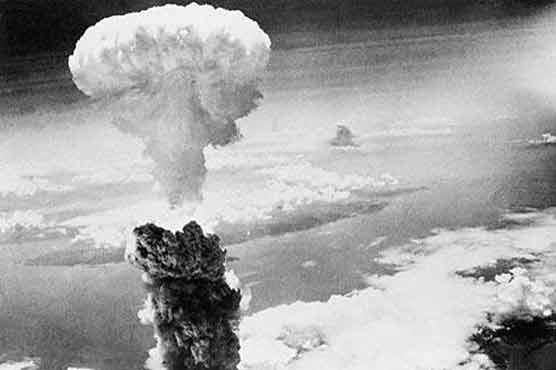
About 6,000 people gathered at a peace park near the epicenter of the 1945 blast, including students and the mayor of one of the towns most affected by last years nuclear plant disaster.Almost a year and half after the worlds second worst accident at a nuclear power plant, concerns about the safety of nuclear energy and radiation effects persist.Nagasaki Mayor Tomihisa Taue said the accident at the Fukushima Dai-ichi plant, which was crippled by a tsunami last March, has exposed the risk of nuclear technology.Taue urged Japan to make concrete plans to achieve a nuclear-free society and called for renewed commitment to a global ban on nuclear weapons.Many people in Fukushima still live in fear of radiation effects, Taue said.Prime Minister Yoshihiko Noda renewed his promise to seek a society less reliant to nuclear power in a mid- to long-term policy platform due out within weeks.We will compile an energy structure that would reassure the safety of the people, he said.Japan is compiling its energy policy for the next two decades. Nodas government is making a decision on how much Japan should reduce the share of nuclear energy by 2030.Within a three-day period in 1945, the U.S. dropped two atomic bombs on Japan, first on Hiroshima, killing 140,000 people, and then on Nagasaki, killing 70,000. The attacks prompted Japans World War II surrender.The United States sent its ambassador, John Roos, to Nagasaki for the first time this year, a year after his deputy attended the ceremony.