Updated on
Summary South Korean activists engage in secret activities in China to help the refugees travel on to Seoul.
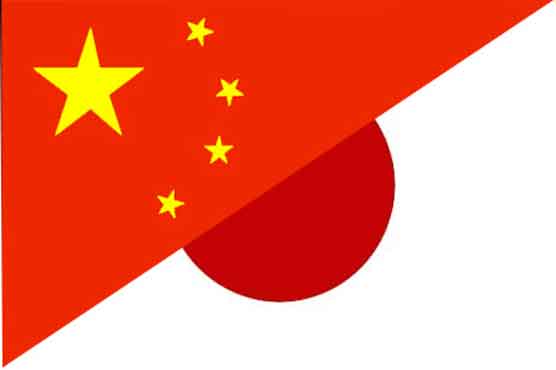
Tokyo and Beijing have been locked in a diplomatic fight over a Chinese man who hurled petrol bombs at the Japanese embassy in Seoul, officials said Friday.The 38-year-old surnamed Liu was charged with attempted arson in January after he threw four petrol bombs at the mission, leaving burn marks on its outer wall.Japan has asked South Korea through formal diplomatic channels to hand him over for trial, a foreign ministry official told AFP on condition of anonymity.South Korea has also received an informal request from China to deport him, she said.At talks Friday with South Koreas Justice Minister Kwon Jae-Jin, Chinese Public Security Minister Meng Jianzhu showed his interest in the case, Kwons office.Kwon vowed to handle the case under South Koreas law and legal procedures, it said, declining to give details.Liu has told investigators that he attacked the embassy because he was angry at Tokyos refusal to deal with the issue of comfort women forced to work in Japanese military brothels in World War II.He said his late maternal grandmother -- a Korean -- was forced into wartime sex slavery in China.Some 200,000 women from Korea and other countries were drafted to work in Japanese army brothels, according to historians. Japan has rejected talks on compensating them.Liu also claimed responsibility for an arson attack which caused minor damage at Japans controversial Yasukuni shrine last December.The shrine in Tokyo is dedicated to 2.5 million Japanese killed in wars -- including top war criminals -- and is often seen as a symbol of the countrys wartime aggression.Meng arrived Thursday for a three-day visit to discuss cooperation in consular and immigration services.At separate talks Friday with Foreign Minister Kim Sung-Hwan, Meng said Beijing was seriously considering Seouls request to release four South Korean activists, the foreign ministry said.The four were arrested on March 29 after helping North Korean refugees, and accused of endangering Chinas national security, a charge that can carry severe punishment.Almost all refugees from the North cross first to China, which repatriates any fugitives it catches, classing them as economic migrants.South Korean activists engage in secret activities in China to help the refugees travel on to Seoul.