Updated on
Summary The region's envoys discuss foresee a super-state stretching from Kuwait to Oman.
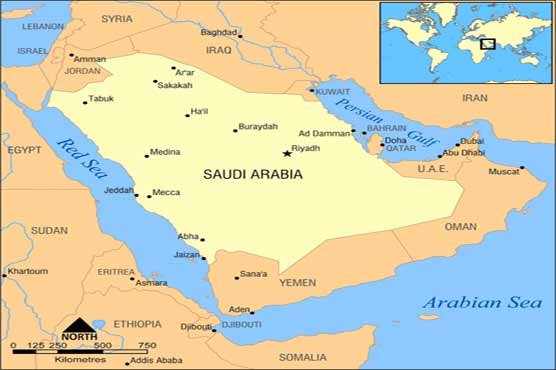
Gulf Arab leaders have stood together together over the last year to fend off political opposition inspired by the Arab Spring as well as the ambitions of their rival, Iran. The regions envoys met Monday to discuss whether to carry that unity to the next level with proposals that foresee a super-state stretching from Kuwait to Oman.The meeting in Riyadh of the six-nation Gulf Cooperation Council could endorse what has already happened on the ground: an effective union between Saudi Arabia and protest-wracked Bahrain whose embattled monarchy has been aided by Saudi troops and money.But the Saudi-led vision to expand the Bahrain model and have all six GCC states fully coordinate their security and political policies still appears a hard sell. There are concerns about how much clout would be handed to Saudi Arabia as the blocs de facto power, and whether its ultraconservative views could cast shadows over Western-friendly centers such as Dubai and Doha.Worries about Saudi dominance have already frozen plans for a single Gulf currency.The official Saudi Press Agency described delegates arriving in the Saudi capital for the meeting, but gave no other comment on the possible outcomes.For all the sense more GCC integration makes, the challenges to a European Union-like structure is fraught with questions, challenges and potential pitfalls, said an editorial Monday in the Abu Dhabi-based The National newspaper, which often reflects the views of United Arab Emirates authorities.Without doubt, however, the upheavals of the Arab Spring have forced stronger collective action from the Western-allied group, which includes Kuwait, Saudi Arabia, Qatar, Bahrain, Oman and the UAE.The Gulf Arab states have stepped up their international roles to openly support rebel forces in places such as Libya and Syria.At the same time, they have bonded together in clampdowns on perceived opposition groups in the Gulf and have taken a hard line against Shiite giant Iran, which it accuses of encouraging protests against the Sunni ruling systems in Bahrain and elsewhere. Iran denies the claims.Last year, Saudi forces led 1,500 Gulf troops into tiny Bahrain to help prop up the kingdoms Sunni dynasty against a Shiite-led uprising, which is now in its 15th month. The result has been a virtual melding of the two countries on the ground with the Saudi and Bahraini flags often displayed in unison at the airport and some security checkpoints.Washington has stayed cautiously on the sidelines in the Bahrain unrest. It has denounced the violence which has claimed at least 50 lives since February 2011 but does not want to anger key ally Saudi Arabia or jeopardize the standing of the U.S. Navys 5th Fleet, based in Bahrain.Last week, the Obama administration said it would resume some arms shipments to Bahrain that were suspended last year because of the crackdowns, which have included hundreds of arrests. The State Department said it still had human rights concerns, but was releasing the equipment because Bahrain is an important security partner. The American equipment includes harbor patrol boats and upgrades to F-16 fighter engines, but the U.S. says the shipments do not contain crowd control material.Bahrains minister of state for information affairs, Samira Rajab, said she expected formal backing of a Bahrain-Saudi union pact at Mondays meeting. Although no clear blueprint has been made public, she described it as a common stance on critical policies such as defense, economic and foreign affairs.Opposition groups in Bahrain, however, have strongly denounced the calls for tighter bonds with Saudi Arabia and possibly other Gulf states. The head of Bahrains main Shiite political group, Al Wefaq, said referendums should be held to determine support for closer Gulf union.This is how governments that respect their people deal with such matters, said Sheik Ali Salman. While here, the union is forcefully imposed, which shows how the governments, here, are just looking down on their peoples.On Monday, security forces clashed sporadically with protesters who chanted slogans against Saudi-Bahraini ties.