Updated on
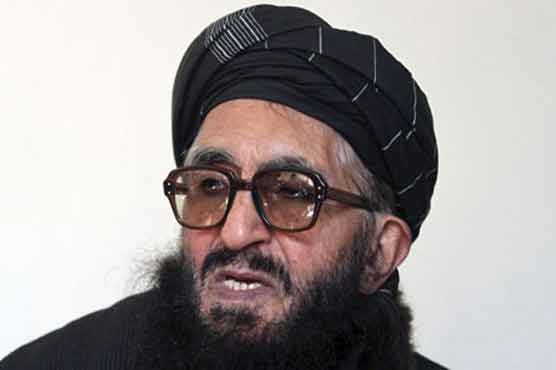
Summary A gunman with a silenced pistol killed Arsala Rahmani as he was riding in his car.
An assassin on Sunday shot dead a former high-ranking Taliban official working on reconciling Afghanistans insurgency with the government, a fresh blow to peace efforts on the day Kabul announced it was gradually taking the lead from the U.S.-led coalition for providing security in much of the country.A gunman with a silenced pistol killed Arsala Rahmani as he was riding in his car in one of the capitals most secure areas near Kabul University, police said. The death of Rahmani, a top member of the Afghan peace council and a senator in parliaments upper house, dealt another setback to efforts to negotiate a political resolution to the decade-long war.Rahmani was a former Taliban official who reconciled with the government and was active in trying to set up formal talks with the insurgents. His assassination follows that of the councils head last year. He was shot just hours before President Hamid Karzai announced the third of a five-stage transition process that will have the Afghan National Security forces in control of the country by the end of 2014, when most foreign combat troops are to leave the country.Ashraf Ghani, who is head of a commission overseeing the transition to Afghan-led security, said this stage which ends with the Afghans taking the lead for areas representing 75 percent of the population should be complete within six months.Earlier stages put Afghans responsible for 50 percent of the population of more than 30 million. The transition process is a key part of NATOs exit strategy from Afghanistan.Karzais announcement came just ahead of a NATO summit in Chicago on May 20 and 21 where the training, funding and future of the Afghan National Security Forces will be a topic of discussion, along with the gradual process called transition.The completion of transition at the end of 2014 will mark the end of NATOs combat role, but not the end of our engagement. NATO is committed to an enduring partnership with Afghanistan, and to providing the training which the Afghan forces will still need, beyond 2014, NATO Secretary-General Anders Fogh Rasmussen said in a statement. At the Chicago summit on May 20-21 we will take the decisions which will shape that future training mission.The transition process will allow most international combat forces to withdraw, leaving the Afghan security forces in control across the nation by the end of 2014. A smaller number of forces, including from the United States, are expected to stay on past that date in a mentoring, training and counterterrorism role.President Karzais announcement of the third group of areas to enter transition is a testament to the capacity and capability of the Afghan National Security Force who will now be responsible for the security of more than 75 percent of the Afghan population, said Gen. John Allen, the top U.S. and coalition commander.Afghan security forces now number about 330,000 and are to increase to 352,000 by the end of the year. They are expected to take over much of the fighting as the U.S. draws down an additional 23,000 troops to 68,000 by the end of September. U.S. troop levels reached a high of about 100,000 last year.