Updated on
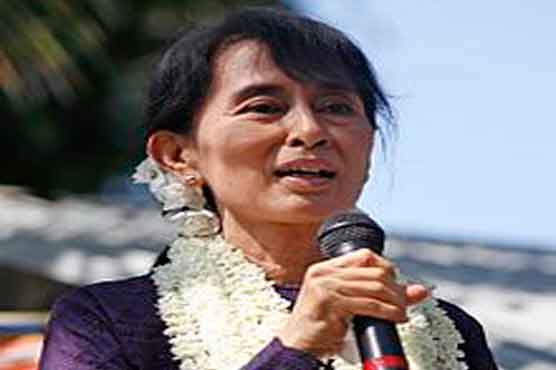
Summary Aung San Suu Kyi said she and other lawmakers of her party will attend parliament on Wednesday.
Suu Kyi said they will take the oath of office but that doesn’t mean she is backing down on the issue.Politics is an issue of give and take, she told reporters in the main city, Yangon, on Monday. We are not giving up, we are just yielding to the aspirations of the people.Suu Kyi and her National League for Democracy object to phrasing that obligates them to safeguard the constitution a document they have vowed to amend because it was drafted under military rule and ensures the army inordinate power.The party wants safeguard replaced with respect, a change made in other Myanmar laws including electoral legislation that enabled Suu Kyis party to officially enter politics for the first time in decades.But their failure to take up their seats had irked some of Suu Kyis backers, who are eager to see the person who has stood up to Myanmars military for 23 years finally take her place in the legislature.The April 1 vote was the first ballot the NLD participated in since 1990 when it won a landslide victory that was promptly annulled by the army.Suu Kyi said ethnic lawmakers in parliament had appealed on her party to resolve the issue from within the assembly, which is over-whelmingly dominated by the pro-military ruling party and military appointees.We are fulfilling the wishes of the people, because the people want the NLD to enter parliament, Suu Kyi said.The news comes as U.N. Secretary-General Ban Ki-moon addressed the legislature on the second day of a visit to see how the world body can help promote the countrys tentative steps toward democratic reform.Ban met President Thein Sein earlier Monday in the capital, Naypyitaw. He is also due to travel to a U.N. drug control project in eastern Shan state, and will also pay his respects at the tomb of U Thant, a Myanmar diplomat who was U.N. secretary-general in 1961-71.Bans visit is the latest by foreign dignitaries since Thein Seins reforms gathered steam in recent months. Thein Sein came to power a year ago after a general election that left the military in firm control but signaled a desire for political reconciliation.