Updated on
Summary Plans to grant blue plaques to dozens of famous names have been scrapped by English Heritage.
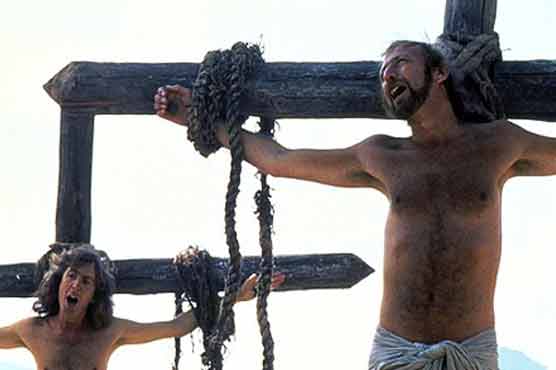
It says it can no longer afford them, due to funding cuts.When it comes to celebrating the lives of historical figures, English Heritage’s blue plaque scheme seemed the ideal, inexpensive way of doing so.However, the organisation has announced it is scaling back the popular project, which sees commemorative signs attached to the former homes of celebrated personalities from the past, because it says it can no longer afford to erect so many.The number awarded each year has been reduced by a quarter, while plans to grant plaques to dozens of famous names – which had already been given initial approval – have been scrapped, among them Graham Chapman, the Monty Python comedian, Sir Barnes Wallace, the scientist who invented the “bouncing bomb” used by the RAF during the “Dambusters” raid and Jacqueline du Pré, the cellist.English Heritage (EH) claims it has been forced into the cuts by a fall in the funding it receives from central government.However critics have attacked the decision, pointing to other more questionable schemes, which the organisation continues to run.The quango is currently spending £8,000 on an “Ultimate Sandcastle Competition”, in which entrants compete for free tickets to EH sites, because it believes the building sandcastles “is in danger of becoming a lost art”.To launch the contest, professional sand sculptors made large replicas of several EH sites on Scarborough beach. It also drew up a guide of how to build a sandcastle.Meanwhile, Simon Thurley, the chief executive, has seen his income rise to £163,000 this year, after he was awarded a £27,000 bonus.The second most senior officer, Keith Harrison, the director of resources, also saw his income increase, to £132,000, after he received a £12,000 bonus.The cuts to the heritage scheme were approved at the last meeting of EH’s blue plaques panel, which includes Stephen Fry, the broadcaster, and Professor Sir Andrew Motion, the former Poet Laureate.At the meeting, the panel worked through its “shortlist” of candidates in line for a plaque and culled almost half of them, striking off 39 and leaving just 40.The shortlist is made up of figures who have passed the first stage of the process, having been initially approved by the panel.Research is then undertaken by the panel’s team of historians, to more fully assess whether the candidates would be worthy recipients, and checks are made on the relevant buildings. A report on each one is then returned to the panel for final approval.Those left on the list include Ava Gardner, the American actress, David Niven, Peter Sellers and Leslie Howard, the actors.Among others who have now been dropped from the shortlist are: General Wladyslaw Sikorski, who was prime minister of the Polish-government-in-exile in London during the Second World War, Vladimir Nabokov, the novelist, and Brian Epstein, former manager of The Beatles.According to EH’s strict rules, none of them can be considered again for another 10 years.The panel also decided that nine plaques will be awarded a year, rather than the previous 12 and that the criteria by which plaques are awarded will have to be applied more stringently.The ceramic signs cost £965 to manufacture and around £2,000 to install. They each take two months to make and are described as “self cleansing” – because of their domed shape.It means the amount saved by awarding three fewer plaques a year only just exceeds the spending on the sandcastle contest.The plaques are designed so as not to fade. EH says there are also associated staff costs of the scheme. There are five officials working in the team, but two of the posts have now been made part time.The organisation is undergoing a 32 per cent cut in the grant it receives from the Department for Culture, Media and Sport from £136 million in 2010 to £92 million in 2014. Last year, it also generated around £54 million from membership, admission fees and retail. The sandcastle contest was funded from this source.A spokesman said: “As part of our need to cut costs, funding for the blue plaques scheme has been substantially reduced.As a result, and very regretfully, we have had to reduce the number of plaques put up each year and reduce our existing shortlist, by applying our selection criteria more stringently to both new and shortlisted suggestions.”He added: “It is a matter of great regret that English Heritage no longer has the resources to pursue all of the suggestions that had previously been shortlisted by the Blue Plaques panel