Summary New technology will replace outdated inspection procedures and improve passenger convenience
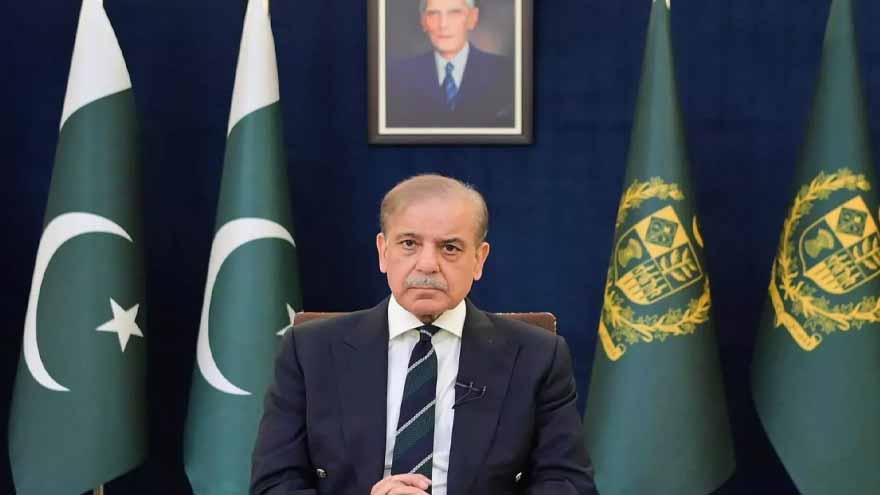
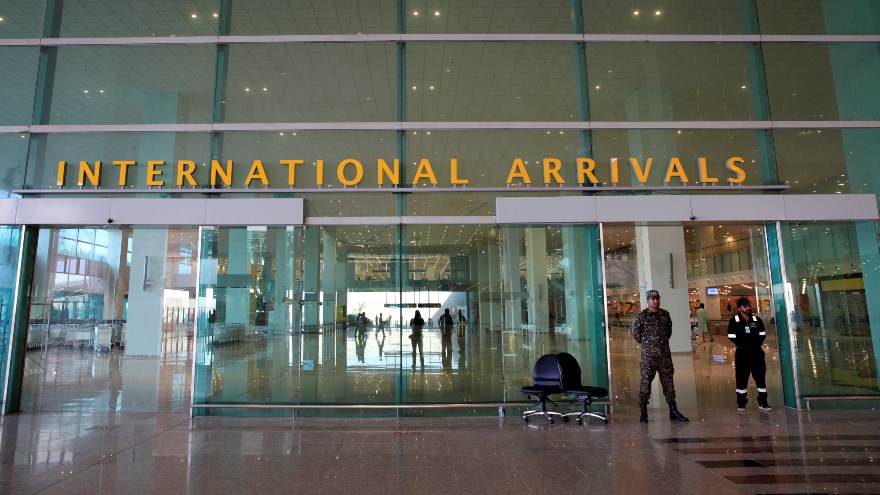
ISLAMABAD (Dunya News) – Prime Minister Shehbaz Sharif has approved measures to improve passenger convenience at Pakistan’s airports, directing authorities to install smart scanners at all international airports without delay.
The new system aims to reduce unnecessary questioning by customs officials and replace outdated baggage inspection procedures with automated technology. The prime minister has also called for better staff training, with courtesy and respect for passengers made central to service delivery.
Chairing a meeting in Islamabad to review the customs system, Shehbaz directed officials to bring the smart scanners to Pakistan by air and ensure their prompt installation at international airports across the country.
He said passengers’ comfort and convenience must remain the top priority, adding that the existing methods of baggage inspection needed to be replaced with modern systems used internationally.
The prime minister also instructed customs officials to rely on smart scanners for baggage checks rather than subjecting travellers to unnecessary questioning and inconvenience.
Modern screening
Shehbaz said Pakistan’s airports needed to adopt internationally recognised automated systems to improve the passenger experience and bring inspection procedures in line with global standards.
He directed authorities to train staff responsible for providing airport services according to international benchmarks. Politeness, professional conduct and respect for human dignity, he said, should be key components of the training.
The prime minister also praised the Federal Board of Revenue’s (FBR) new customs enforcement system, crediting the FBR chairman and his team for the progress made in strengthening enforcement and curbing smuggling.
He stressed that all possible measures must be taken to prevent revenue losses through tax evasion. Businesses that pay their taxes should be respected, while those involved in tax evasion would face a zero-tolerance policy.
Shehbaz said the government had a responsibility to protect public money and would make every effort to safeguard national revenue.
Anti-smuggling drive
During the meeting, officials briefed the prime minister on customs monitoring and the movement of goods at airports, seaports and other locations across Pakistan. The briefing also covered the performance of the Customs Enforcement Force and measures to prevent the smuggling of petroleum products.
Officials said significant progress had been made in establishing and operationalising digital enforcement stations under the customs enforcement initiative.
The Indus Collectorate Enforcement carried out 80 operations during its first three weeks, seizing goods valued at approximately Rs205 million, according to the briefing.
A total of 865 personnel had been deployed, while enforcement operations covered 26 key routes.
Authorities also reported continued action against smuggled goods, including fabrics, vehicles, cigarettes, high-speed diesel, auto parts and other items.
As part of wider customs reforms, the recruitment of 280 goods evaluators had been completed. Their training is scheduled to take place in October and November 2026.
The meeting was also informed that the FBR’s anti-smuggling reforms had brought customs enforcement functions together under an integrated organisation operating nationwide.
Deputy Prime Minister and Foreign Minister Senator Ishaq Dar, federal ministers Azam Nazeer Tarar, Musadik Malik, Ahsan Khan Cheema, Attaullah Tarar and Shaza Fatima Khawaja, Minister of State Bilal Azhar Kayani, members of the National Assembly Usman Owaisi and Rana Iradat Sharif Khan, and senior officials concerned attended the meeting.