Summary Hafiz Naeemur Rehman says nationwide movement is gaining momentum, criticizing fuel taxes, electricity bills and alleged unfair IPP agreements.
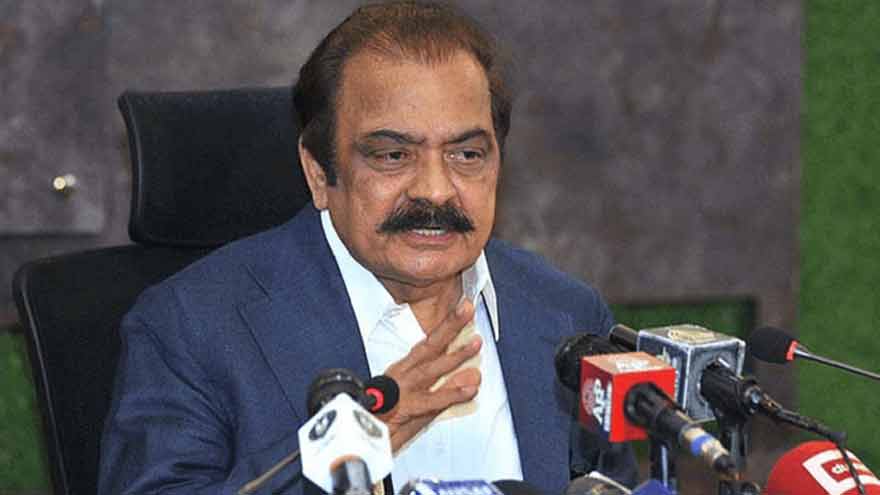
MINGORA (Dunya News) - Jamaat-e-Islami Emir Hafiz Naeemur Rehman has said the countrywide movement is gaining momentum, crediting young people for playing a historic role in the struggle.
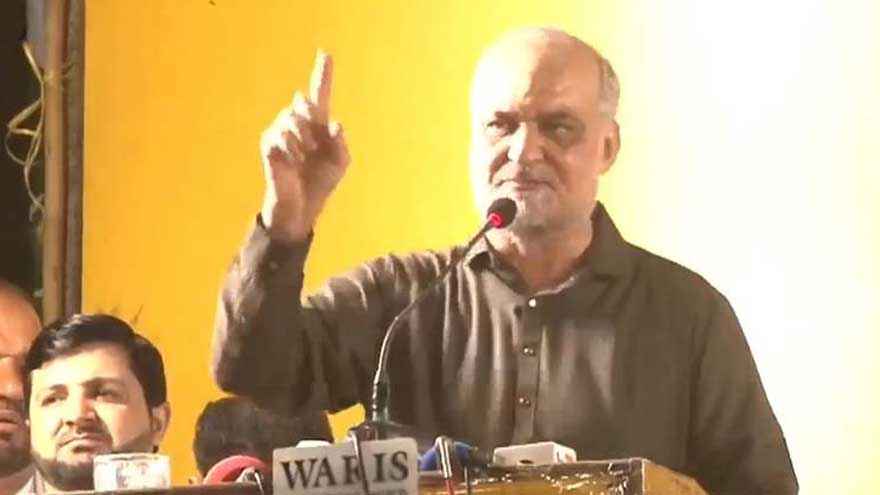
Addressing a public gathering, Hafiz Naeem congratulated party workers on what he described as a historic nationwide strike the previous day. He said traders in Karachi laid the foundation for the strike, while people came out in cities across interior Sindh.
He claimed that the strike was also successful across Punjab and Khyber Pakhtunkhwa, while business activities remained completely shut across Malakand Division.
Hafiz Naeem said Jamaat-e-Islami’s movement represented the voice of ordinary people, adding that the rulers had made life increasingly difficult for citizens. He said people were struggling to afford two meals a day, travelling had become difficult and consumers were receiving heavy electricity bills.
He said petroleum levy had pushed fuel prices to record levels, while rising petrol costs had made essential commodities more expensive. According to Hafiz Naeem, every motorcyclist effectively pays 35 percent tax on petrol.
The Jamaat-e-Islami leader said the public had previously been unaware of the petroleum levy, claiming that it had no connection with petrol prices. He accused the rulers of burdening the public to finance their own privileges.
Hafiz Naeem said party workers had created awareness among the people and recalled that Jamaat-e-Islami had staged a sit-in against independent power producers (IPPs) two years ago, following which relief was provided to consumers.
He said the government had argued at the time that prolonged load-shedding made agreements with IPPs necessary.
According to Hafiz Naeem, payments to power-generating companies were ultimately recovered from consumers, including the loans and interest owed to IPPs. He alleged that unfair agreements had been signed with IPPs since 1994.