Summary Former ministers and political leaders at a Lahore seminar supported constitutional reforms for new provinces and empowered local governments, calling for fundamental changes to governance.
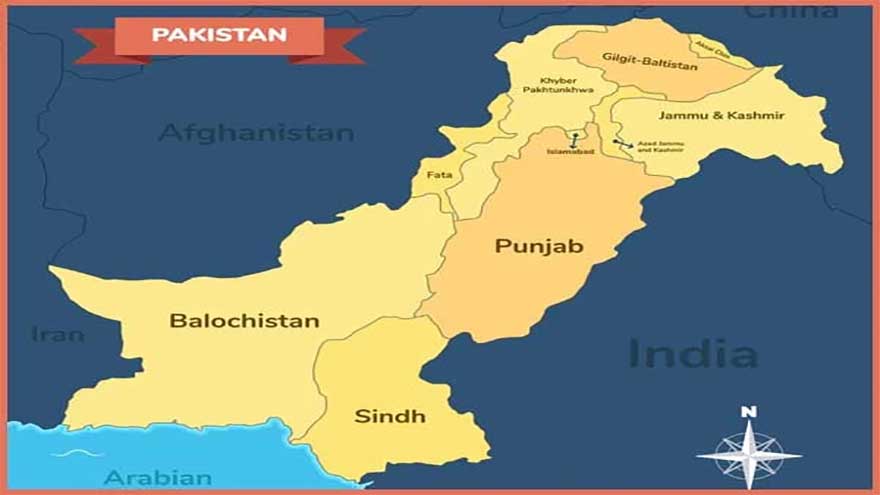
LAHORE (Web Desk) – Former federal ministers and political leaders have voiced support for the creation of new provinces and greater powers for local governments, arguing that Pakistan’s existing governance structure requires fundamental reforms.
The views were expressed during a seminar titled “Governance — But What About the System?”, organised by the University of Lahore. Former ministers and political figures, including Muhammad Ali Durrani, Anwaar-ul-Haq Kakar, Waseem Akhtar, Fawad Chaudhry, Liaquat Baloch, Asad Umar and Ahsan Bhoon, addressed the gathering.
The speakers broadly agreed that Pakistan needed stronger administrative units, empowered local governments and constitutional reforms to improve governance and service delivery.
Durrani calls for constitutional changes
Former federal minister Muhammad Ali Durrani said constitutional amendments were needed to address the country’s governance challenges.
He recalled that he had previously advocated the creation of South Punjab and Bahawalpur provinces, arguing that administrative restructuring could improve governance.
Durrani also criticised what he described as family-based politics, saying political parties needed to move away from dynastic control to strengthen the democratic system.
Kakar stresses local governments
Former caretaker prime minister Anwaar-ul-Haq Kakar said Pakistan lacked effective civilian supremacy and that ordinary citizens were not being adequately heard.
He argued that the country faced numerous challenges and required effective local governments and administrative units.
Kakar said a functioning local government system was essential for addressing problems at the grassroots level and improving public representation.
Waseem Akhtar backs stronger municipal system
MQM leader Waseem Akhtar said the country’s governance system had deteriorated decades ago and required structural improvement.
He said he had consistently advocated strengthening local governments and described the system as one of his major political priorities.
Akhtar maintained that local governments should be given meaningful authority so that elected representatives at the grassroots could address citizens’ problems directly.
Fawad Chaudhry proposes new provinces
Former federal minister Fawad Chaudhry also supported the creation of new provinces and the introduction of a stronger local government system.
He said Pakistan faced serious socioeconomic challenges and argued that the existing administrative structure was no longer sufficient for the country’s population and geographical needs.
Chaudhry proposed three measures: creating new provinces, strengthening local governments and considering the conversion of divisions into provinces.
He also criticised the internal structure of political parties, arguing that many parties remained centred around individual personalities rather than functioning as genuinely democratic organisations.
Asad Umar seeks constitutional protection for local bodies
Former federal minister Asad Umar said democracy remained the most suitable system for Pakistan but argued that it needed stronger institutions at the local level.
He said constitutional amendments were necessary to ensure the effective implementation of local governments.
Umar also called for a revised financial distribution mechanism under which the third tier of government would receive a dedicated share of resources.
He argued that funds should be distributed among the federal, provincial and local levels to enable municipalities and other local bodies to perform their responsibilities effectively.
According to Umar, a functioning local government system was essential for Pakistan’s political and administrative stability.
Liaquat Baloch stresses constitutional supremacy
Jamaat-i-Islami leader Liaquat Baloch said Pakistan had faced political and administrative crises for decades.
He stressed the importance of constitutional supremacy, justice and an effective system of governance.
Baloch also expressed concern over political instability and said political parties needed to move beyond personality-driven politics.
He warned that discussions about further changes to the political system could emerge after the debate over local governments, including renewed calls for a presidential form of government.
Ahsan Bhoon highlights governance crisis
Former Supreme Court Bar Association president Ahsan Bhoon described governance as Pakistan’s biggest challenge.
He alleged that major political parties had not demonstrated sufficient commitment towards the creation of new provinces, despite occasionally raising the issue as a political slogan.
Bhoon called for political parties to develop consensus on constitutional reforms and operate within the framework of parliamentary democracy.
He reiterated the importance of parliamentary supremacy and said major changes to the country’s administrative structure should be pursued through constitutional and democratic means.
Debate over Pakistan’s administrative structure
The seminar comes amid an intensifying national debate over governance reforms, the creation of additional provinces and the strengthening of local governments.
Supporters of administrative restructuring argue that Pakistan’s large population, geographic spread and growing urban centres require a more decentralised system of government.
Critics, however, have raised concerns about the political, constitutional and financial implications of creating new provinces.
The debate has gained further momentum following recent calls from political leaders and government officials for a review of Pakistan’s governance structure.
The speakers at the Lahore seminar largely agreed that any restructuring should be undertaken through constitutional procedures and with political consensus, while ensuring that reforms ultimately improve public service delivery and accountability.