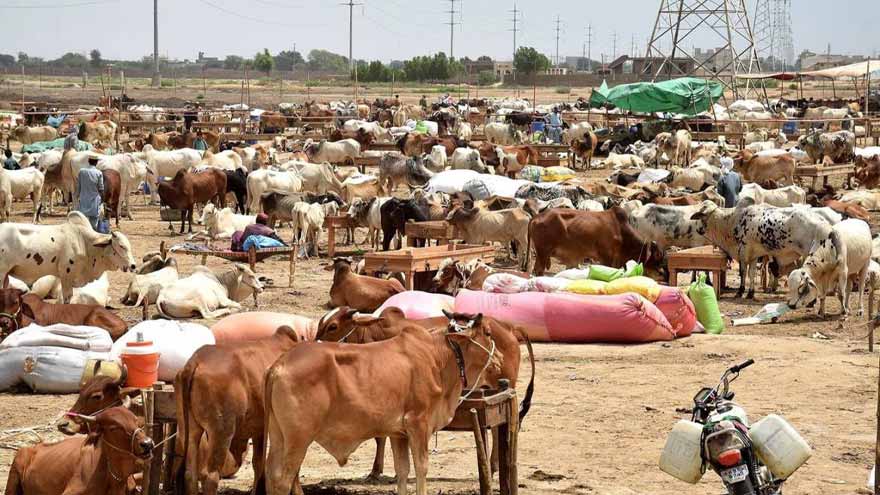
Summary Health authorities warned citizens to take preventive steps while handling livestock
(Web Desk) - Health experts have expressed concern over the increased risk of zoonotic diseases and environmental pollution during Eidul Azha, urging the public to adopt strict hygiene and safety measures while handling sacrificial animals.
Medical professionals warned that the spread of Crimean-Congo Hemorrhagic Fever, commonly known as Congo fever, could rise during the festival due to increased exposure to livestock. The disease carries a fatality rate of up to 40%, and currently no vaccine is available for humans or animals.
Experts stressed the need for activating isolation wards in major hospitals, ensuring availability of protective equipment for healthcare workers, and improving rapid diagnostic testing facilities.
Health authorities warned citizens to take preventive steps while handling livestock, including using insect repellents, checking animals for ticks, wearing full-sleeved clothing and closed shoes, and avoiding direct contact with ticks or animal fluids.
Experts also recommended the use of gloves, masks, and protective aprons during animal slaughtering, along with proper disposal of animal waste and thorough cleaning of tools and surfaces.
According to health experts, the Congo virus is mainly transmitted through infected ticks found on livestock or through direct contact with the blood and tissues of infected animals during or after slaughter.
They added that early symptoms include high fever, muscle pain, dizziness, neck pain, and vomiting, and urged people with livestock exposure and such symptoms to seek immediate medical attention.