Summary Ishaq Dar said Pakistan defended against Indian aggression, accused India of weaponising water, and stressed Kashmir resolution, while highlighting Pakistan’s diplomatic role and regional engagements.
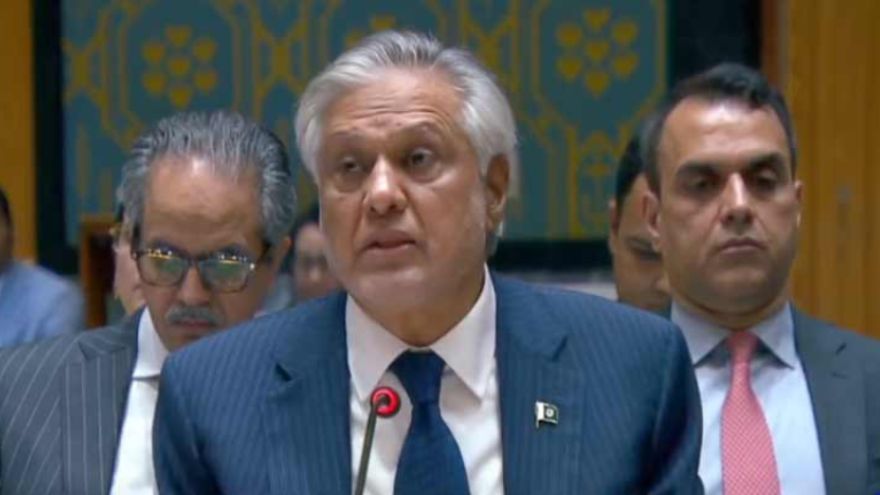
ISLAMABAD (Dunya News) — Deputy Prime Minister Ishaq Dar has said Pakistan responded decisively to Indian aggression during the “Battle of Truth”, accusing India of attempting to use water as a weapon.
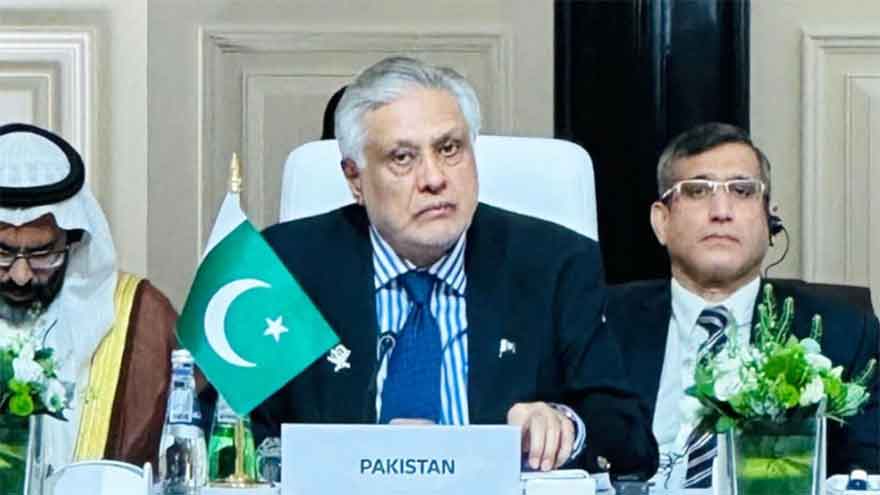
Addressing ambassadors and members of the diplomatic corps in Islamabad, Dar said Pakistan was marking the first anniversary of the conflict and had defended its sovereignty with full force.
He stated that Pakistan’s armed forces, under the leadership of Syed Asim Munir, carried out a strong response to Indian actions, ensuring the country’s security and stability.
Dar alleged that India blamed Pakistan for the Pahalgam incident without evidence, describing the accusations as politically motivated. He added that Pakistan had successfully countered aggression, including downing Indian fighter aircraft, with the air force playing a decisive role.
The deputy prime minister further claimed that India attempted to weaponise water resources, calling it a serious concern for regional stability.
He reiterated that the Kashmir dispute must be resolved in accordance with United Nations resolutions, stressing that lasting peace in South Asia is not possible without granting the right to self-determination to Kashmiris.
Dar also highlighted Pakistan’s diplomatic engagements, noting efforts through regional platforms such as the Shanghai Cooperation Organisation and the Economic Cooperation Organisation to enhance cooperation and partnerships.
He said Pakistan continues to play an active role in United Nations peacekeeping missions and supports a two-state solution based on pre-1967 borders for Palestine.
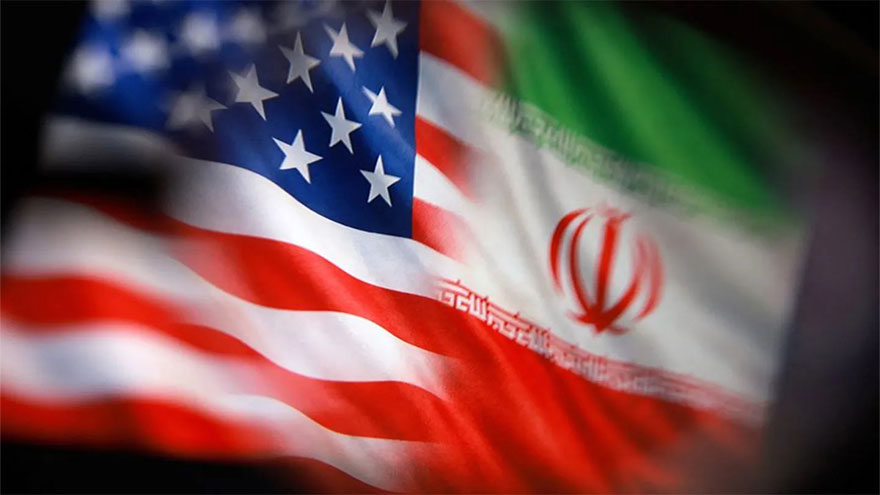
Referring to recent diplomatic developments, Dar noted that talks between Iran and the United States were held in Islamabad after 47 years, facilitated by Pakistan’s leadership, adding that the country remains engaged with the international community as a mediator.