Summary Ferry licence awarded to Sea Keepers after high-level inter-ministerial review
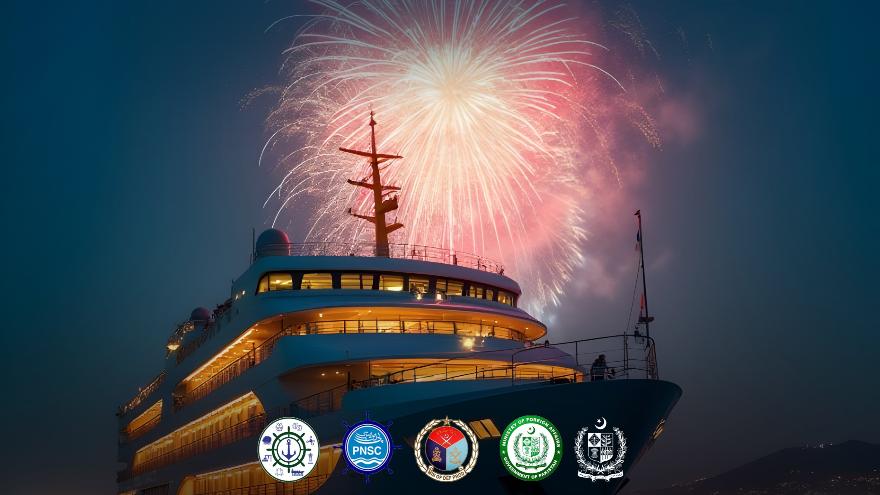
ISLAMABAD (Web Desk) – Pakistan has issued its first-ever international ferry licence, signalling a transformative shift in regional connectivity and maritime tourism.
The Ministry of Maritime Affairs announced on Monday that Sea Keepers, a private operator, has been authorised to launch passenger ferry routes linking Pakistan with Iran and Gulf Cooperation Council (GCC) countries.
Official Launch of Pakistan’s Ferry Service License!
— Minister for Maritime Affairs (@ministermoma) August 4, 2025
Under the leadership of Federal Minister for Maritime Affairs Junaid Anwar Chaudhry, Pakistan has officially issued its first ferry service license—marking a new chapter in maritime travel, tourism, and regional connectivity. pic.twitter.com/vVZLwLleD4
This landmark development aligns with Pakistan’s National Maritime Policy and Prime Minister Shehbaz Sharif’s broader vision of regional integration.
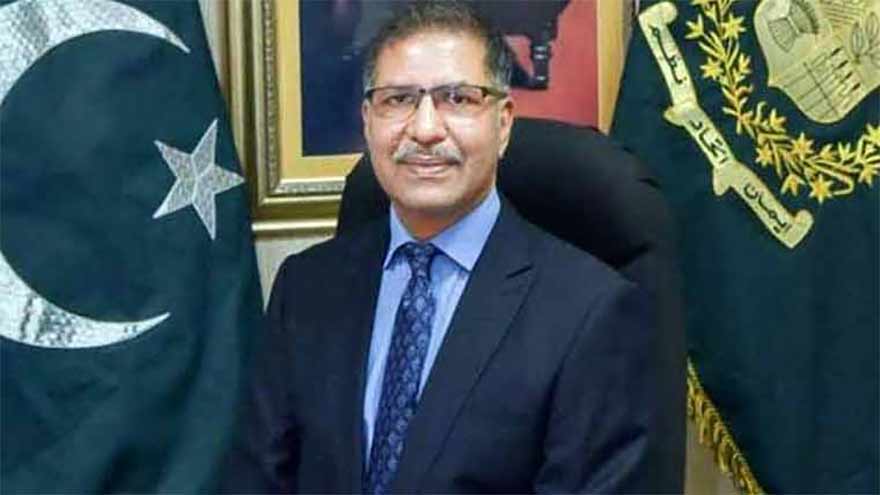
Federal Minister for Maritime Affairs Junaid Anwar Chaudhry hailed the move as historic, describing it as a vital step in enhancing religious tourism, economic cooperation, and cross-border mobility. The service is expected to benefit hundreds of thousands annually, particularly pilgrims travelling to Iran and Iraq, as well as overseas workers and tourists heading to the Gulf.
Ferry service from Gwadar and Karachi
Initial operations will commence from the ports of Karachi and Gwadar using modern ferry vessels, fully equipped with safety and comfort features. The ferries will serve as a low-cost alternative to air and land routes, with significant appeal for the Pakistani diaspora and zaireen (pilgrims). Expansion of destinations is expected based on bilateral agreements and market demand.
— Government of Pakistan (@GovtofPakistan) August 3, 2025
Officials revealed that if just 20 percent of the approximately one million annual pilgrims opt for ferries, over 200,000 passengers could be accommodated by sea. To speed up the process, the licensing period for ferry operators has been cut from six months to one, with the ministry aiming to remove bureaucratic hurdles for new entrants.
Why now?
The timing of the ferry launch coincides with the upcoming Chehlum of Imam Hussain, during which many Pakistanis travel to Karbala, Iraq. With land travel through Balochistan restricted due to security concerns, the maritime ministry saw an urgent need to provide alternative options. Last week, talks to resolve the land route ban remained deadlocked, leading to protests by religious groups.
Beyond religious travel, the ferry initiative is seen as part of a broader maritime strategy to strengthen Pakistan’s blue economy.