Updated on
Summary The Supreme Court asks PM to decide by July 12 on writing letter to Swiss authorities.
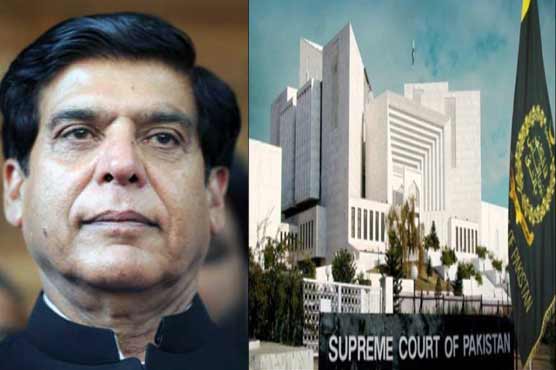
Supreme Court of Pkaistan on Wednesday gave the new prime minister two weeks to indicate whether he would ask Swiss authorities to reopen corruption cases against the president.The move indicates that the judiciary is unwilling to end the showdown with the government that could force elections before February 2013, when the incumbent government would become the first in Pakistan to complete a full five-year term.The court on June 19 dismissed Yousuf Raza Gilani as prime minister after convicting him of contempt in April for refusing to reopen the multi-million-dollar cases.The Pakistan Peoples Party coalition elected Raja Pervez Ashraf as the new premier on Friday, after judges issued an arrest warrant for its first suggested replacement Mahdoom Shahabuddin.Five days later, Justice Nasir ul Mulk directed the attorney general to find out how the government intended to deal with the Swiss cases and report back on July 12.The new prime minister was elected last week and we trust that he will honour the direction given by this court, Mulk said.In the meantime we direct the attorney general to obtain instructions from the prime minister and inform the court on the next date of the hearing on July 12, he said.The allegations against Asif Ali Zardari date back to the 1990s, when he and his late wife, former premier Benazir Bhutto, are suspected of using Swiss bank accounts to launder $12 million allegedly paid in bribes by companies seeking Customs inspection contracts.The Swiss shelved the cases in 2008 when Zardari became president.The government insists the president has full immunity.But in 2009 the Supreme Court overturned a political amnesty that had frozen investigations into the president and other politicians, ordering that the cases be reopened.Raja Ashraf faces himself faces corruption allegations durong his tenure as water and power minister, and many believe he will be forced out soon -- either through elections or the judicial decisions. .