Updated on
Summary There is a difference in margarine and butter. you should know the Merits and DE-merits of both.
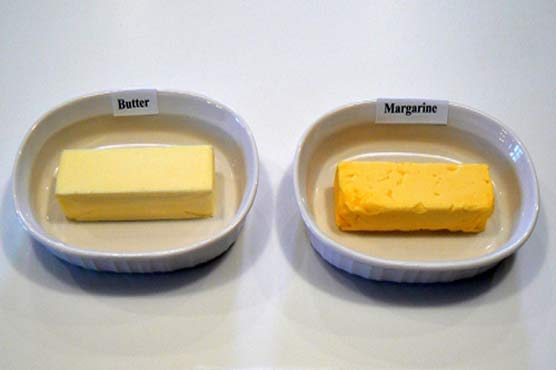
Both margarine and butter have some nutritional benefits. When something has advantages it does have some disadvantages also. Butter is made up of cream so it has high saturated fats and cholesterol. Butter contributes to various heart diseases. The high levels of Trans fats found in most types of margarine may be even worse for you Margarine is made from vegetable oils that contain no saturated fats. The polysaturated fats found in many vegetable oils can even help in lowering your cholesterol. This may make margarine seem like the perfect butter substitute. There are many different types of margarine, some of which contain harmful trans fats. Margarine sticks in particular are extremely high in trans fats, making them builders of bad cholesterol, or LDL, and, by extension, heart disease. In addition, excessive intake of trans fats can increase your blood insulin levels, putting you at risk for diabetes. For this reason, it is advised that you carefully inspect the packaging of any margarine you wish to purchase, as this will inform you of the products trans fat levels.If possible, try to find a trans fat-free brand of margarine.butter is actually a good source of vitamins A, D and E. Vitamins A and D help your body absorb calcium and can play a pivotal role in combating osteoporosis and heart disease, vitamin E is an essential antioxidant. vitamin A can prove helpful in boosting your bodys immune system butter contains glycospingolipids. This unique fatty acid helps your digestive tract function and is particularly beneficial to young children. Iodine, which is good for your thyroid, is also an active ingredient in butter. Trans fat-free brands of margarine have a number of health benefits as well. Margarine thats made from safflower oil, sunflower oil or corn oil contains healthy amounts of omega 3 and omega 6 fatty acids. These are both essential fatty acids, so make sure theyre part of any margarine you buy. In addition, trans fat-free brands of margarine often contain phytochemicals, which, if consumed on a regular basis, may help lower you bodys bad cholesterol levels and protect against heart disease. When it comes to butter vs. margarine, the bottom line is that regular butter is better for you than regular margarine. Trans fat-free margarine, however, is better for you than regular butter. Thus, margarine wins out, provided your margarine of choice is devoid of trans fats. Regardless of the nutritional benefits they offer, keep in mind that neither product should be consumed in large quantities.