Updated on
Summary In community center for slums where children shiver in winter chill, dozens are dreaming to fly.
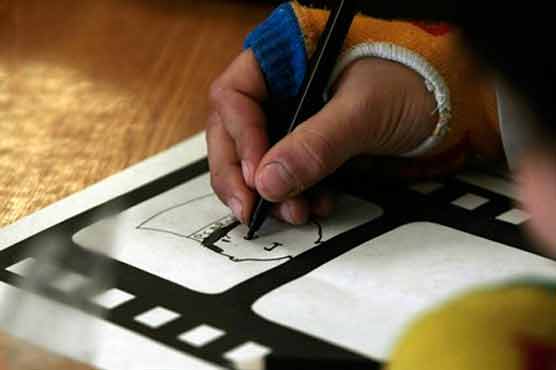
Their pilot is 9-year-old Benjamin Ortega, who tips his hat and calls for takeoff while an old 16-mm projector rolls and clicks, projecting Walt Disneys 1928 classic film Plane Crazy on a white sheet.As the first black-and-white images of Mickey Mouse pop up, they roar with laughter. The 83-year-old woman responsible for their joy smiles faintly, paying no attention to the movie. Shes more interested in these starry-eyed kids, who have never walked into a cinema.Her name is Alicia Vega, a no-nonsense filmmaker who has seen that look during 27 years of workshops. In slum after slum, all across Chile, she has helped thousands of poor children soar by teaching them about the magic of movies.Film, she says, has a uniquely transformative power.My intention was never for them to become filmmakers, but for them to become better human beings, to discover themselves, says Vega, who recently documented her lifes work in a book, Film Workshop for Children, so others might be inspired to follow her lead.Movies help children escape poverty because it lifts their self-esteem. They learn values, it expands their culture. Its universal: Kids are kids anywhere and they learn a lot through images, she says.In her four-month workshops, children start by making devices that preceded the first projected moving images, like the Zoetropea cylinder with vertical slits surrounding a band of pictures that come alive when spun. The children often take the toys back home and teach their parents that the name comes from the Greek words zoe for alive and trope for turn.The Zoetrope impressed me most, because I never imagined that an inanimate image could have movement. It was shocking, recalls Leonardo Veliz, 38, who used to sell shoelaces in the streets when he attended Vegas workshop in 1987 at age 13. He now works as an electrical technician.I was surprised to see how movies were made, or to find out that the first ones were silent. The classes awakened my curiosity, Veliz says. We learned that images are not really what they seem at first, and this has helped me at work. Ill be repairing computers for hours, and I also have to find a way to see things in a different way.Studying cinema history, the kids sneeze together after watching Vegas 16-mm copy of the earliest surviving motion picture, the 1894 Edison Kinetoscopic Record of a Sneeze. Children pencil handlebar moustaches on their faces and dress in 19th century clothes to watch images of a train arriving at a station, famously shown to a shocked public by the Lumiere Brothers in Paris. Of the mustachioed brothers, sometimes they ask: Which one is Louis and which one Auguste?On other days, they wear top hats and giggle at the slapstick comedy of Laurel and Hardy or Charlie Chaplins first silent films. They discover shots and angles behind a real camera, construct a box office and pay for their classroom cinema using fake bills. And they always enjoy snacks during screenings.Ive never been to the movie theater but I want to learn what a movie is and how its made. I like this a lot, says Ortega, the 9-year-old pilot of the cardboard plane.Kids also watch the moving stick figures of the century-old Fantasmagorie, the worlds first cartoon. Eventually, frame by frame, they will draw their own moving images of dinosaurs, soccer players, ships and trains to make their own movie. They also grasp the difference between film and documentary or real life.Theyre used to not being listened to at home, hardly having an opinion at all, Vega says. So when they come back home and tell their parents what happened in class they become the protagonists. It helps them find grounding in who they are and find a space in life, and thats very valuable.