Summary The teenager has not yet been charged because police were hoping he would be declared an adult.
New Delhi: A teenager accused of taking part in the December 16 gang rape and murder of a 23-year-old student in New Delhi will be tried as a juvenile, facing a maximum of three years in prison if convicted, a special panel ruled on Monday.
The ruling shocked the victim s father, who watched the news flash across his television screen.
"A sudden current ran through my body in disbelief. I can t believe this," the father told Reuters. "How can they declare him a minor? Do they not see what they did?"
The teenager has not yet been formally charged because police were hoping he would be declared an adult so they could include him in the main trial of his five co-accused.
He does not have a lawyer and his account of what happened on December 16 is not known.
Lawyers for the five accused men said they would plead not guilty and one has accused police of torturing him, his lawyer said.
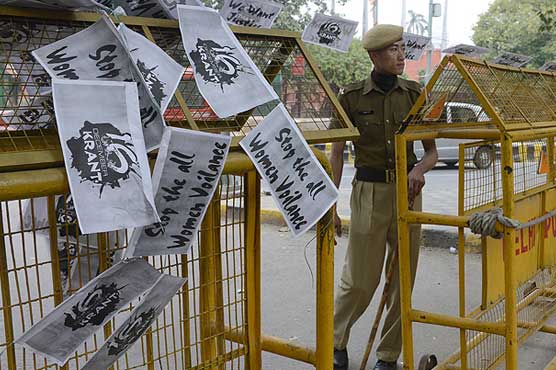
The panel s decision on the youth is likely to infuriate many people, including protesters, some police and political leaders, who have called for the age at which people can be tried as adults to be lowered to 16 from 18.
A government committee examining changes to sexual crime laws, however, last week ruled out such a move.
Police allege that the 17-year-old and five men gang-raped and severely beat the student on a moving bus in the capital before dumping her and a male friend in the road. The woman was so badly injured that she died of massive organ failure in a Singapore hospital two weeks later.
The case has sparked national debate about rampant crime against women, and President Pranab Mukherjee, made an unusual call in a television state-of-the nation address on Friday for the country to "reset its moral compass".
A juvenile board, comprising a magistrate and two child welfare activists, said it accepted school records showing the juvenile, who may not be identified, as having been born on June 4, 1995. It said a bone density test to determine his age was not necessary.
Police, who suspect that he is older than 17, said they could appeal the board s ruling, although there was no immediate plan to do so.
"This is wrong. We need the bone test to determine the accused real age, certificates can be forged," the victim s younger brother told Reuters by telephone.
The teenager attended Monday s hearing but journalists waiting outside the building did not catch a glimpse of him. He will now stand trial before the juvenile board and if convicted will be sent to a juvenile detention centre.