Summary Pakistan cuts petrol to Rs322 per litre but raises diesel to Rs357.
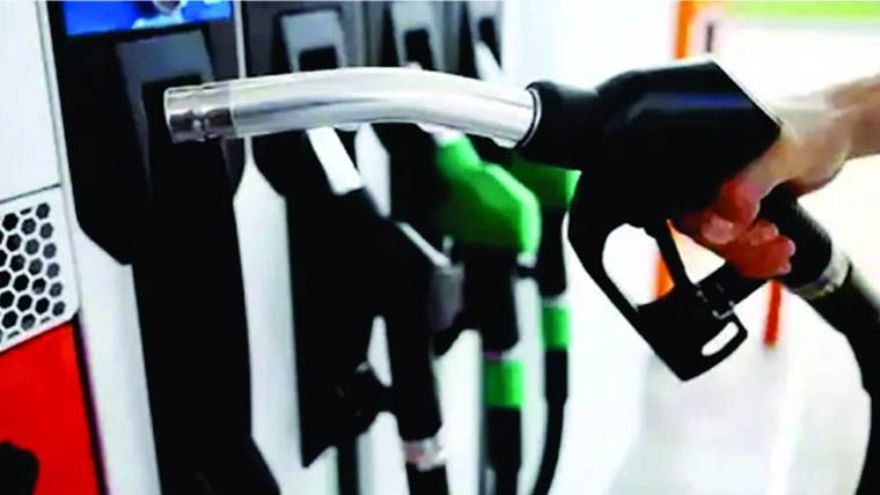
ISLAMABAD (Dunya News) – The federal government has reduced petrol prices by Rs1 per litre while increasing the rate of high-speed diesel (HSD) by Rs2, offering motorists a mixed adjustment as global oil markets remain volatile amid renewed tensions in the Middle East.
Under the revised petroleum prices announced on Friday, November 20, petrol will now cost Rs322 per litre, down from Rs323, while high-speed diesel has become more expensive at Rs357 per litre, compared with the previous rate of Rs355.
The new prices will remain effective until November 23, according to a notification issued by the Oil and Gas Regulatory Authority (OGRA).
The latest adjustment comes as Pakistan moves towards a daily petroleum pricing mechanism, allowing changes in international oil prices to be reflected more frequently in domestic fuel rates. The shift is aimed at responding more quickly to fluctuations in global energy markets, particularly as geopolitical developments continue to influence crude oil supplies and prices.
Daily fuel price reviews
OGRA has started publishing daily petroleum prices on its official website as part of the government's efforts to improve transparency and make the domestic pricing system more responsive to international market movements.
The introduction of daily reviews marks another change in Pakistan's fuel pricing system, which has undergone several adjustments in response to changing international market conditions.
Before the recent changes, petroleum prices were generally revised every fortnight. Following the outbreak of the Middle East conflict on February 28, the government moved to a weekly review mechanism to respond more quickly to uncertainty in global oil markets.
International oil prices have faced renewed uncertainty following escalating hostilities in the Middle East, with concerns over the security of energy supplies adding pressure to global markets.
The conflict began on February 28, when Israel and the United States attacked Iran, prompting Tehran to shut the Strait of Hormuz, a critical shipping route through which around one-fifth of the world's energy supplies passed before the war.
The strategic waterway is particularly important for international oil and gas shipments, making any disruption a major concern for energy-importing countries, including Pakistan.
Tensions have continued following the collapse of a fragile ceasefire between Tehran and Washington in June, reviving fears of a wider confrontation and raising concerns about the movement of energy supplies through the Strait.
For Pakistan, which relies heavily on imported petroleum products, fluctuations in international oil prices can directly affect the country's import bill and domestic fuel costs.