Summary A PIDE report reveals Pakistan’s savings rate has dropped to a three-decade low, raising concerns over investment, debt dependence, and economic stability.
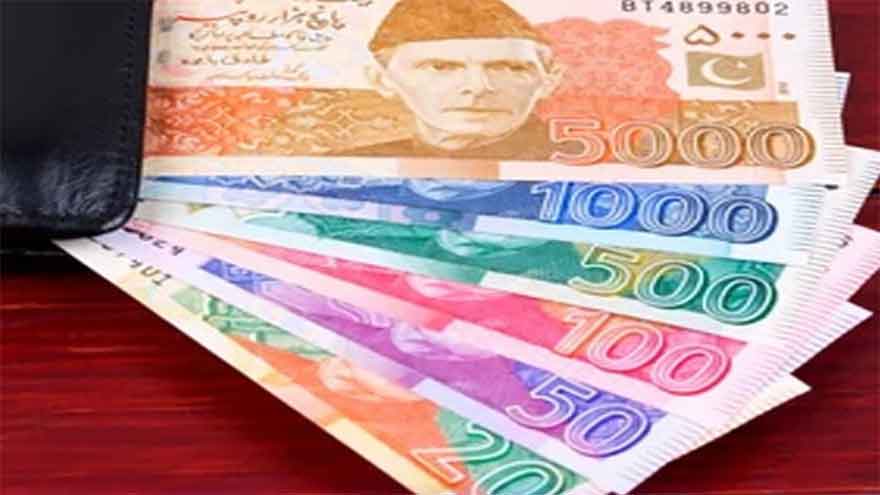
ISLAMABAD (Web Desk) – Pakistan’s savings rate has fallen to its lowest level in nearly three decades, with households now saving only Rs6 out of every Rs100 earned, according to a new report by the Pakistan Institute of Development Economics (PIDE).
The report warns that persistently low savings could trigger an investment crisis, increasing the country’s dependence on external borrowing and repeated financial support programmes from international lenders.
PIDE has urged the government to launch a nationwide savings campaign in the federal budget for 2026-27, proposing tax incentives for long-term savings schemes, stronger protection for small savers, improved digital access to national savings products, and the creation of an annual savings mobilisation dashboard.
According to the report, inflation and lower returns on bank deposits have pushed people away from formal financial institutions, with many preferring gold, real estate, and cash holdings instead.
Data cited in the report shows Pakistan’s savings rate currently stands at 6.4%, significantly lower than regional economies. Bangladesh records a savings rate of around 21%, India approximately 28%, while Vietnam’s savings rate is close to 30%.
The report also highlighted concerns that heavy government borrowing is crowding out private sector investment, further limiting economic expansion and capital formation.
PIDE recommended targeted savings incentives for women, pensioners, and workers in the informal sector while calling for measures to make savings safer, more profitable, and easier to access.
“Running the future on other people’s money is no longer sustainable,” the report said, stressing that stronger domestic savings are essential for long-term economic resilience.