Summary According to local media reports, Pakistan has also activated a transit trade corridor through Iran, including routes via Gwadar and the Gabd-Rimdan border crossing.
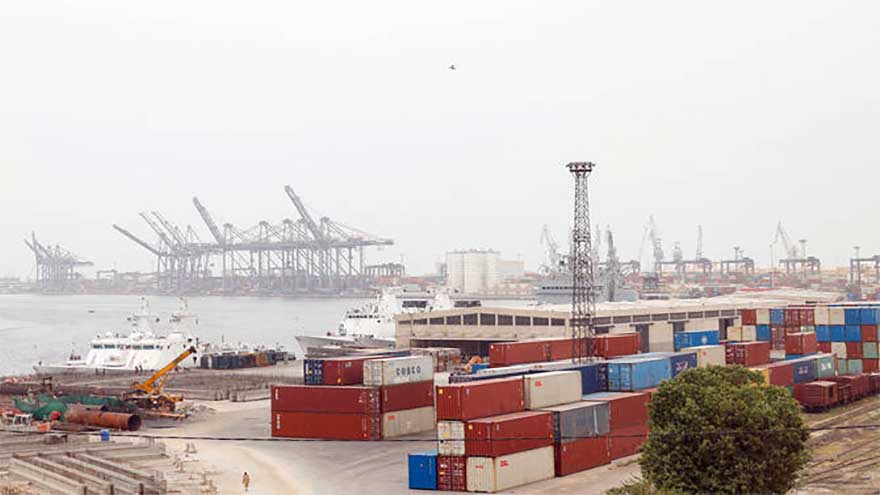
ISLAMABAD (Web Desk) - Pakistan has dispatched its first consignment from the Karachi Export Processing Zones Authority (EPZA) to Kyrgyzstan via a land route, the government said on Thursday, as Islamabad steps up efforts to expand trade links with Central Asia.
The shipment, sent a day earlier, is part of Pakistan’s broader push to diversify export markets and strengthen regional connectivity amid shifting trade routes and geopolitical tensions in the region.
“The consignment, sent through a land corridor, underscores Pakistan’s commitment to exploring new and emerging markets in Central Asia,” the EPZA said in a statement. “The total value of the shipment stands at $62,461.60, comprising 2,113 packages.”
“The exported goods include herbal oils, herbal tea, henna, creams, and soaps — products that reflect the growing diversity and potential of Pakistan’s value-added exports,” it added.
While the statement did not specify the route taken, Pakistan has been seeking to avoid Afghanistan amid mounting tensions that have led to major skirmishes between them since last October.
Earlier this month, Pakistan operationalized a new trade route linking Central Asian countries to its southern ports via China through the Khunjerab Pass and Sost dry port, as it received the first shipment of goods from Kyrgyzstan.
According to local media reports, Pakistan has also activated a transit trade corridor through Iran, including routes via Gwadar and the Gabd-Rimdan border crossing.
Pakistan has been seeking to position itself as a trade and transit hub for landlocked Central Asian states, with the government positioning such initiatives as part of a broader strategy to boost exports and integrate the country more deeply into regional supply chains.