Summary Pakistan’s central bank governor says improved economic indicators, rising reserves and prudent policies place the country in a stronger position to withstand Middle East crisis impacts.
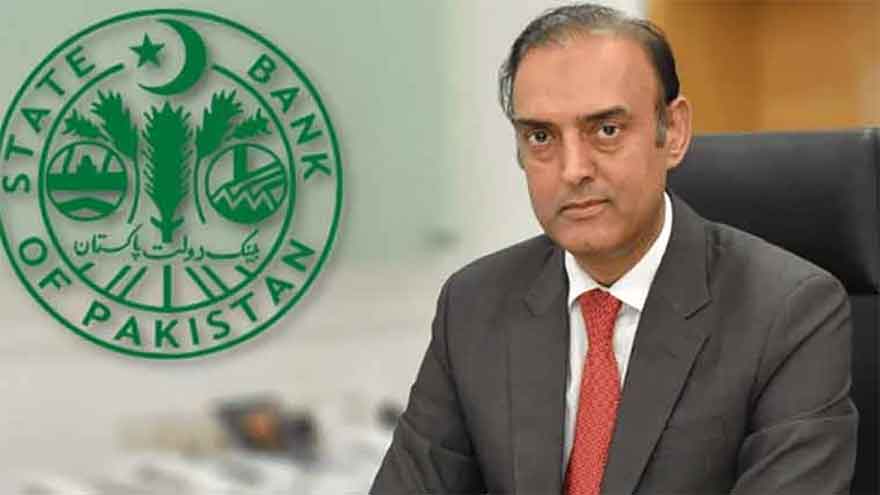
KARACHI (Dunya News) – Governor of the State Bank of Pakistan Jameel Ahmad has said the country’s economy is in a relatively stronger position to cope with the economic fallout of ongoing Middle East tensions.
Speaking during meetings with senior representatives of global financial institutions, including JPMorgan Chase, Barclays and Citibank, as well as credit rating agencies such as Fitch Ratings, Moody's and S&P Global, Ahmad noted that key economic indicators had improved faster than expected since the start of the fiscal year.
The engagements took place on the sidelines of the Spring Meetings of the International Monetary Fund and the World Bank held between April 13 and 18, 2026.
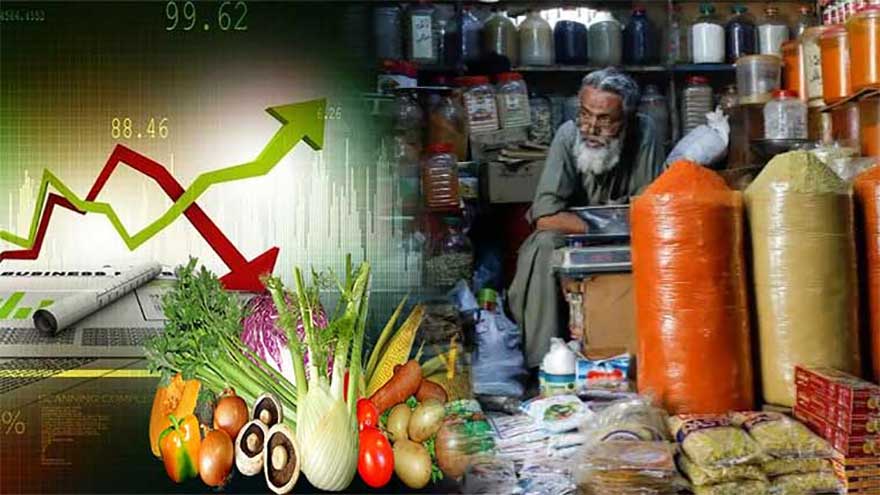
Ahmad said Pakistan had already made notable progress towards stabilisation before the onset of the Middle East conflict. A combination of prudent monetary and fiscal policies helped strengthen external buffers and reduce inflation, which has remained within target.
He revealed that average inflation stood at 5.7 per cent during the first nine months of the current fiscal year, while the current account remained in surplus. Foreign exchange reserves rose to $16.4 billion, largely due to central bank purchases from the interbank market.
The governor expressed confidence that reserves could reach approximately $18 billion by June 2026, supported by continued inflows and bilateral financial arrangements.
He highlighted that economic recovery had become more broad-based and sustainable, with real GDP growth rising to 3.8 per cent in the first half of FY2026, compared to 1.8 per cent during the same period last year.
Despite the improved outlook, Ahmad acknowledged emerging risks linked to the Middle East conflict, including rising global energy prices, freight costs and insurance premiums.
He stressed that both the central bank and the government remain committed to maintaining price stability and safeguarding macroeconomic stability through cautious monetary policy and targeted fiscal measures, including subsidies and austerity steps.
Referring to ongoing engagement with the IMF, Ahmad cited progress on programme reviews and improvements in credit ratings as signs of confidence in Pakistan’s reform trajectory.
He also noted strong overseas interest in the Roshan Digital Account initiative, with over 917,000 accounts opened and inflows exceeding $12.4 billion, alongside recent regulatory enhancements aimed at attracting institutional participation and boosting foreign investment.