Summary The ministry said energy facilities and the pipeline affected by attacks during the conflict have recovered and restored operational capacity. Saudi did not specify who launched the attacks
CAIRO (Reuters) – Saudi Arabia has restored full oil pumping capacity through the East-West pipeline to about seven million barrels per day, it said on Sunday, days after providing an assessment of damage on its energy sector from attacks during the Iran conflict.
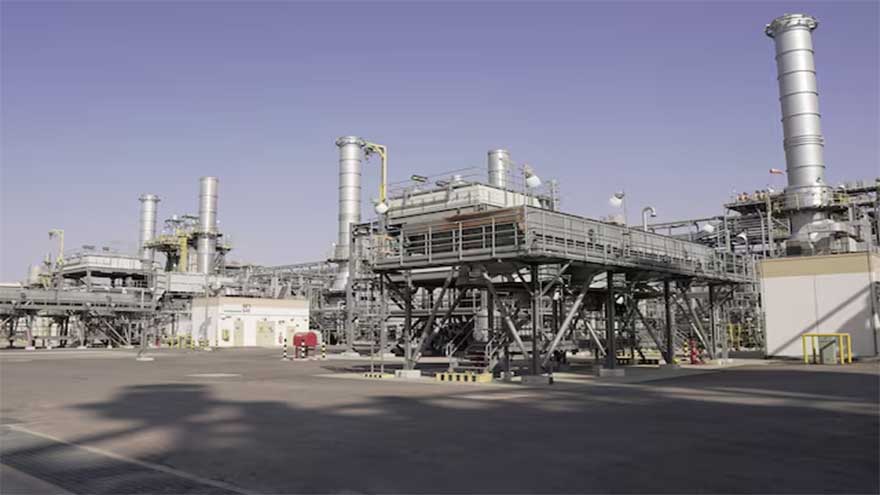
The ministry said energy facilities and the pipeline affected by attacks during the conflict have recovered and restored operational capacity.
Saudi did not specify who launched the attacks, but the kingdom has intercepted many Iranian missiles and drones in recent weeks.
The strikes also disrupted operations at key oil, gas, refining, petrochemical and electricity sites in Riyadh, the Eastern Province and Yanbu Industrial City.
OUTPUT RECOVERY TO HELP SUPPLY CONTINUITY
Saudi said on Thursday the attacks had cut its oil production capacity by around 600,000 barrels per day and throughput on its East-West Pipeline by about 700,000 bpd.
The East-West Pipeline has been Saudi Arabia's only crude export route amid the closure of the Strait of Hormuz. Reuters reported on Wednesday that Iran attacked the pipeline just hours after the ceasefire was agreed.
The ministry said it recovered affected volumes from the Manifa oilfield, where output had previously been reduced by around 300,000 bpd.
Work was ongoing to restore full output at the Khurais facility, after strikes on it reduced Saudi capacity by a further 300,000 bpd, the ministry said.
It said the quick recovery would enhance the "reliability and continuity of supplies to local and global markets."