Summary FPCCI chief SM Tanveer warns Pakistan’s economy relies on remittances instead of exports as a $60bn trade gap widens.
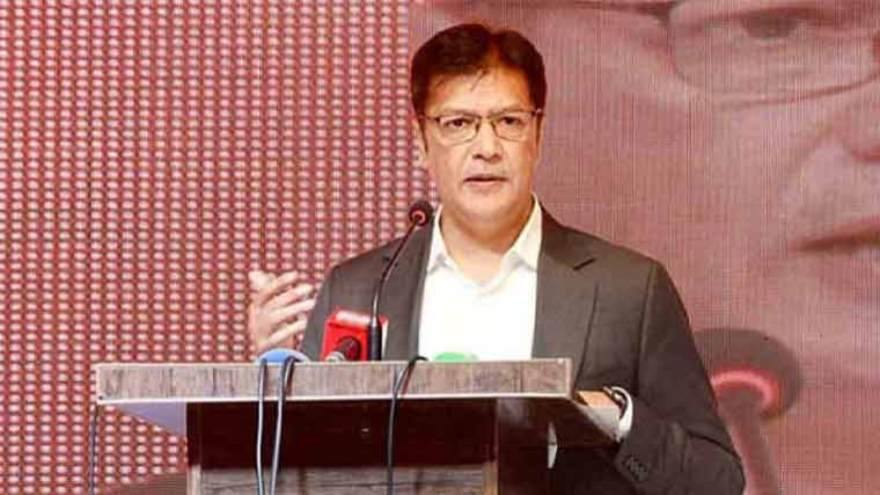
LAHORE (Dunya News) – The head of the Federation of Pakistan Chambers of Commerce and Industry, SM Tanveer, has warned that Pakistan’s economy is being sustained by remittances and debt-fuelled consumption rather than export-led growth, raising concerns about the country’s long-term economic stability.
He said this imbalance is widening Pakistan’s trade vulnerabilities at a time when regional competitors are rapidly expanding their global market presence. According to Tanveer, the country’s economic model must shift towards productivity and foreign sales if sustainable growth is to be achieved.
Tanveer highlighted what he described as a staggering $60 billion gap in Pakistan’s export potential, pointing to deep-rooted structural problems that have prevented the country from capitalising on global demand. He said Pakistan has failed to transform its manufacturing base, while neighbouring economies have successfully positioned themselves as major players in international supply chains.
Data cited by the FPCCI leader shows that Pakistan’s exports accounted for 16 percent of GDP in the 1990s, but this figure has fallen to 10.4 percent in 2024, reflecting a steady erosion of the country’s trade competitiveness. In contrast, Vietnam’s export-to-GDP ratio stands at 95 percent, while Thailand has reached around 60 percent. Even Bangladesh, once considered economically weaker than Pakistan, now records close to 20 percent, underlining how regional rivals have outpaced Pakistan through industrial expansion and export-driven strategies.
Tanveer attributed Pakistan’s declining export share to high production costs, limited access to international markets, low labour productivity and inadequate infrastructure. He said exporters continue to struggle with inefficient ports, expensive energy, inconsistent policies and a lack of compliance frameworks required by international buyers. These challenges, he added, have made Pakistani products less competitive compared to those produced in Southeast Asia and other emerging manufacturing hubs.
“Pakistan’s exports are facing serious constraints, and unless these are addressed urgently, the country will continue to miss out on global opportunities,” Tanveer said in a statement. He stressed that a market-determined exchange rate, stronger trade finance mechanisms, improved logistics networks and better compliance with international standards are essential to restoring export momentum.
The FPCCI chief also called for more effective trade agreements that genuinely open doors for Pakistani businesses rather than merely expanding imports. He argued that Pakistan must negotiate deals that provide meaningful access to large consumer markets and encourage value-added exports rather than the shipment of raw materials.
Tanveer further emphasised the need for a coordinated national strategy that prioritises industrial modernisation, innovation and technology adoption. He said export-oriented sectors such as textiles, engineering goods, pharmaceuticals and information technology could deliver far greater returns if supported by targeted policies, investment in skills, and improved energy and transport infrastructure.
He warned that continued reliance on remittances and borrowing to sustain consumption may offer short-term relief but does little to build a resilient economy. Without a strong export base, Pakistan remains vulnerable to external shocks, currency instability and rising debt obligations, limiting its ability to generate jobs and attract foreign investment.
The FPCCI leader urged the government to take concrete, coordinated measures to reverse the decline in exports and unlock the country’s economic potential, stressing that trade-led growth remains the most viable path to long-term stability.