Summary According to official figures, the current year was the least expensive compared to the past seven years. However, the key question remains: how did inflation actually affect the common citizen?
ISLAMABAD (Mudassar Ali Rana) – The average inflation rate remained around 4 percent during 2025, while the government claims that the increase in inflation this year was the lowest in the past seven years.
According to official government figures, the current year was the least expensive compared to the past seven years. However, the key question remains: how did inflation actually affect the common citizen?
Data released by the Bureau of Statistics shows that inflation in 2025 was lower than in the previous seven years. During the year, inflation fluctuated between a minimum of 0.3 percent and a maximum of 6.2 percent. In contrast, the average inflation rate in 2024 was recorded at around 12 percent.
These figures indicate that while inflation rose by 12 percent in 2024, it increased by approximately 4 percent this year.
In other words, prices continued to rise, but at a slower pace compared to last year.
Inflation is measured by comparing price changes of 51 essential commodities with their rates from the previous year. Based on this comparison, the Bureau of Statistics issues data showing increases or decreases in inflation. If the bureau states that inflation did not rise during a particular month or year, it does not mean prices have fallen; rather, it means prices have remained at the same level as the previous period.
This explains why the public’s complaint that inflation is still increasing is valid, while the government’s claim that inflation is lower compared to last year is also technically correct.
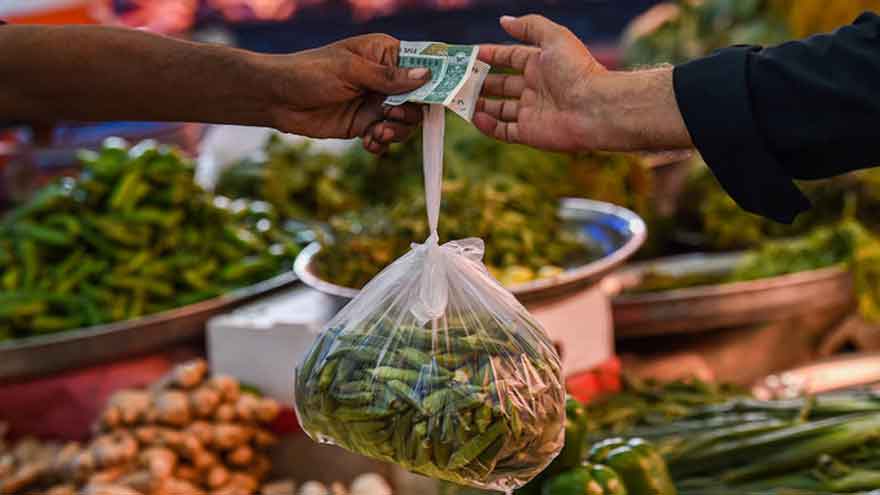
According to official documents, the price of a 20-kilogram bag of flour was around Rs2,200 in January 2025, which rose to Rs2,550 by December.
Similarly, the price of eggs increased from Rs360 per dozen to Rs380 per dozen over the year. A 2.5-kilogram tin of cooking oil, an essential household item, rose from Rs1,500 to Rs1,588. The price of lentils (masoor dal) increased from Rs370 to Rs380 per kilogram, tomatoes from Rs200 to Rs300 per kilogram, and sugar from Rs150 to Rs212 per kilogram. Over the course of the year, prices declined only for a few items such as potatoes, onions, and tomatoes.
According to the government, inflation increased by 5 to 6 percent this year, but no increase was made in the minimum wage. Like previous years, 2025 did not prove to be a year of economic relief for the common citizen. However, there is hope for 2026 that government measures will bring positive news in the form of lower inflation and improved purchasing power for the public.