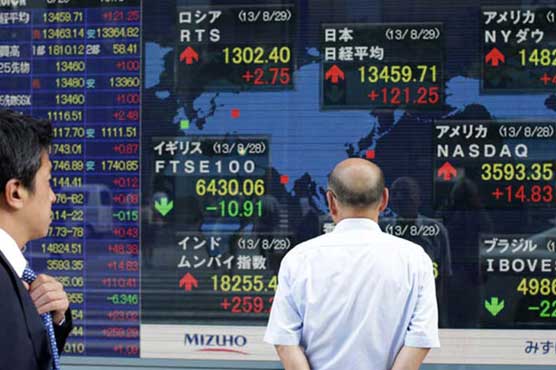
Summary Shanghai was up 1.9 percent and Hong Kong was 0.1 percent up
HONG KONG (AFP) - Oil prices on Tuesday extended their heavy losses from the previous session, hitting Asia s beleaguered energy stocks as most regional markets retreated from a recent rally.
Weak factory data from China to the United States also added to the selling pressure, although Shanghai and Hong Kong enjoyed early gains on hopes for fresh economy-priming measures out of Beijing.
The euphoria fuelled by Japan s shock decision Friday to adopt a negative interest rate -- effectively charging lenders to park cash with the central bank -- soon gave way to the same fears that hammered global markets in January: China and low oil prices.
"We re in for a period of continuing caution," Angus Gluskie, a managing director at White Funds Management in Sydney, told Bloomberg News.
"It s a period of uncertainty. China remains the biggest concern for investors. If the Chinese situation develops more adversely, it could have greater ramifications."
In early trade Sydney lost 0.4 percent and Seoul shed 0.4 percent. Tokyo was marginally lower by lunch after surging about 4.5 percent over the previous two session in response to the Bank of Japan s surprise stimulus announcement. Taipei, Jakarta and Manila also saw big losses.
But Shanghai was up 1.9 percent and Hong Kong was 0.1 percent up.
Oil resumed its slide back towards $30 a barrel, with both contracts down more than one percent in early Asian trade.
On Monday US benchmark West Texas Intermediate tanked almost six percent and Brent dived around five percent as the rally fuelled by last week s hopes for output talks between Russia and OPEC faded.
Among energy stocks CNOOC shed two percent in Hong Kong and PetroChina shed 1.3 percent.
Sydney-listed Santos gave up 2.6 percent and BHP Billiton was 1.4 percent lower after Standard & Poor s cut its credit rating on the firm owing to falling commodity prices.
In Tokyo Inpex plunged 4.5 percent.
Investors are also awaiting a US stockpiles report Wednesday expecting to see another jump, indicating demand remains weak.
Crude was also hurt by the release of key gauges indicating manufacturing activity in China and the US continued to shrink in January. Flat US consumer spending for December also weighed.
Federal Reserve Vice Chair Stanley Fischer, in a speech Monday, warned the market turmoil could hit the US economy, a crucial driver of global growth.
"If these developments lead to a persistent tightening of financial conditions, they could signal a slowing in the global economy that could affect growth and inflation in the United States," Fischer said.