Summary It is the first time since November 2008 that all countries came in above the 50.0 mark.
BRUSSELS (AFP) - The recovery of the eurozone s manufacturing sector is gaining traction with a 10th month of activity growth in a row, a closely-watched survey showed on Friday.
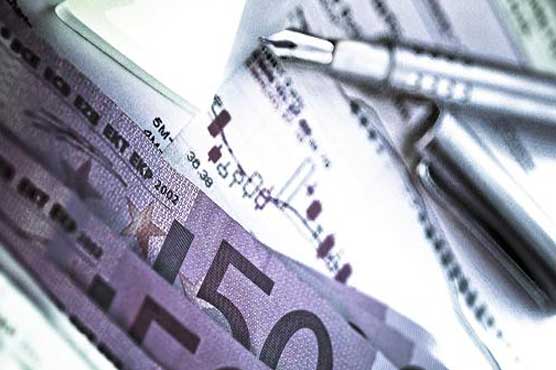
Markit Economics said that its Markit Eurozone Manufacturing PMI rose to a three-month high of 53.4, up from March s 53.0, with the April figures suggesting a broadening of the recovery across the countries covered by the survey.
It is the first time since November 2008 that all countries came in above the 50.0 mark, although France s comparatively low manufacturing performance, at 51.2, is a two-month low.
The data helped to push up the prices of bonds in weaker eurozone countries, with the Spanish 10-year bond yield falling briefly below 3.0 percent for the first time since 2005.
Ireland stayed at the top of the PMI table in April, with its manufacturing expansion hitting a 38-month high of 56.1, with rates of improvement also accelerating in Germany, Italy and Austria.
The index is a leading indicator of activity and is closely watched by economists. A reading above the 50-point threshold indicates a growth in activity, while less than 50 indicates a contraction.
Markit economist Chris Williamson said the survey paints a "promising picture for the region s manufacturers at the start of the second quarter" and was consistent with a quarterly industrial production growth rate of one percent.
"Particularly welcome is the news that previously struggling countries such as Spain and Italy are now also seeing robust growth, with the surveys indicating growth close to 1.0 percent in both cases," Williamson said.
However, it is unclear whether the strong manufacturing performance will ease concerns about deflation in the 18-member common currency bloc.
"It remains to be seen whether this strengthening of demand will feed through to more pricing power, which remains weak due to the existence of spare capacity and high unemployment," Williamson said.