Summary World oil demand was expected to rise 89.7 million barrels per day in 2013.
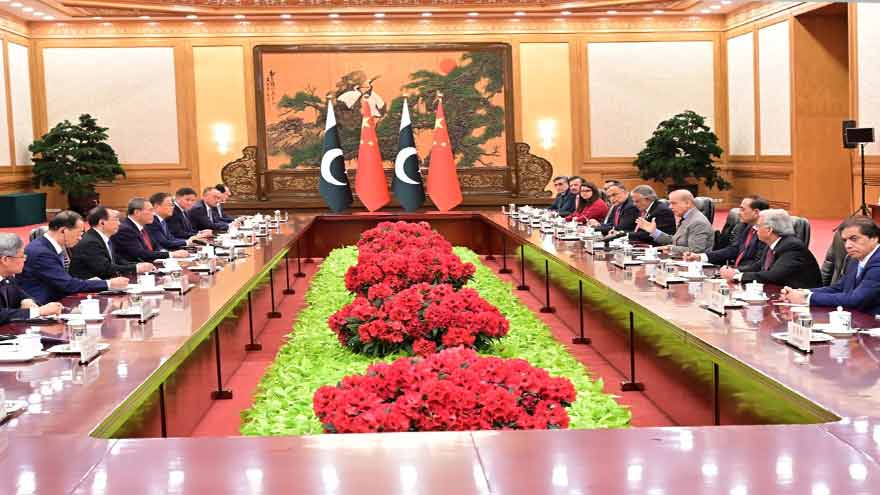
VIENNA (AFP) - OPEC held its output ceiling steady at a meeting in Vienna on Friday, saying it was worried about the effect of weak global and eurozone growth on demand for oil.
The Organization of Petroleum Exporting Countries (OPEC), which pumps about 35 percent of global oil supplies, said it would leave the output ceiling at 30 million barrels per day (mbpd), where it has stood since late 2011, despite actual output exceeding the target.
"Everybody has agreed to maintain the level of production and we are monitoring the market," Venezuelan Energy Minister Rafael Ramirez told reporters, adding that the 12-nation cartel was particularly anxious about the impact of the eurozone debt crisis on energy demand.
OPEC, comprising nations from Afica, Latin America and the Middle East, is aware that cutting production could raise oil prices and boost their incomes -- but that this could also hurt the fragile global recovery.
Ministers also discussed booming shale oil production in the United States, and its impact on the global energy market.
World oil prices steadied after Friday s decision, which was in line with market expectations and comes after ministers had stated their satisfaction with current oil price levels.
Benchmark Brent crude oil prices stood at $101.62, which was above the key $100 level deemed suitable by cartel kingpin Saudi Arabia.
"We are monitoring the market because the economic situation in the EU is difficult, and when we are meeting next time in December we will have more elements," Ramirez said. He added: "We have to defend the price, we re going to defend the price."
United Arab Emirates Energy Minister Suhail al-Mazrouei also told reporters: "The meeting was excellent."
OPEC ministers had already revealed that they expected to keep oil output levels unchanged, despite persistent demand worries.
"The relative steadiness of prices during 2013 to-date (is) an indication that the market was adequately supplied, the periodic price fluctuations being a reflection of geopolitical tensions," OPEC said in a statement issued after the meeting.
It added: "The conference observed ... that whilst world economic growth was projected to reach 3.2 percent in 2013, up from 3.0 percent in 2012, downside risks to the global economy, especially in the OECD region, remain unchecked."
World oil demand was expected to rise from 88.9 million barrels of oil per day in 2012, to 89.7 mbpd in 2013.
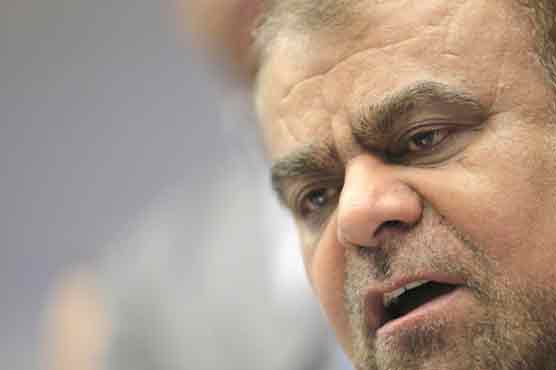
Meanwhile, Iran s Oil Minister Rostam Qasemi added that OPEC ministers had also discussed candidates for the post of the grouping s new secretary-general.
"Detailed discussions were made about the candidates. It was decided to revisit the criteria," he told reporters.
Qasemi noted that the next secretary-general, who will succeed Libyan Abdullah El-Badri, will "be decided upon in the coming December...We hope our candidate will be supported."
Saudi Arabia has been battling against Iraq and Iran to have its candidate succeed El-Badri, who has been the cartel s administrative head since 2007.
The grouping had voted last December to re-appoint El-Badri for another year after members failed to agree on a new leader.
Actual OPEC output exceeds its official target level partly owing to high production from Saudi Arabia, which is the biggest producer in the cartel. It has also risen owing to recovering production from Iraq and Libya.
The outlook for global economic growth, and demand for oil, has been clouded by the combined impact of Chinese inflationary pressures, the long-running eurozone sovereign debt crisis and uncertainty over policy for the US economy, according to OPEC. The next ministerial output meeting will be held on December 4 in Vienna.