Updated on
Summary The London Olympics witness the return of footballs hand-stitched in Sialkot.
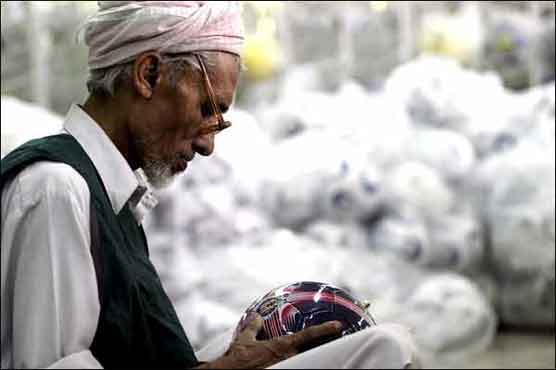
Tilted as ‘The Albert’, by sports gear giant Adidas for the footballs to be used in the London Olympics, shows the country of manufacture to be Sialkot, bringing the industrial township of Sialkot back in the reckoning after the hand-stitched balls, as they were edged out by the machine-made Chinese variants in 2010 FIFA World Cup.For years, Sialkot was a world leader in football production with a ball in every major tournament even if the country had no footballers playing in the big league. However, international concerns about the use of child labor in stitching the footballs, terrorism and general downturn in the industry resulted hand-made footballs of Sialkot lose market to China and Thailand.That the Sialkot football industry got selected by Adidas for the Olympics at a time when the manufacturing sector in the country is in the doldrums due to crippling power cuts is a testimony to the hand-crafted product which once had 75 per cent of the world market.Ina report by the US government notes that as long as the year 2000, Pakistan was making 75% of all the soccer balls consumed by this entire planet, making it by far, the greatest supplier of footballs in the world.Although the market share has dropped considerably in the past decade and Pakistan’s supply share into the world market has dropped down to around 40%, its unmatched hand-stitching quality in the world keeps winning Pakistani balls a place in all major FIFA tournaments, despite the presence of heavy competitors such as China, India and Thailand. Throughout the history of football world cups and other major FIFA events, the world has seen one brand deliver the most astounding soccer balls, carved to perfection and tested in adverse conditions to exceed all FIFA standards for an ‘Official Match Ball’.So, whenever one gasps in awe over the German brand, Adidas should always remember that behind the Adidas logo on these soccer gems is the sweat and blood of hard-working rural women, belonging to the city of Sialkot, Pakistan, an effort concealed in disguise, under a dangerous quilt of consumerism.