Updated on
Summary Fears of violence in the Persian Gulf escalated Thursday, pushing the price of oil higher.
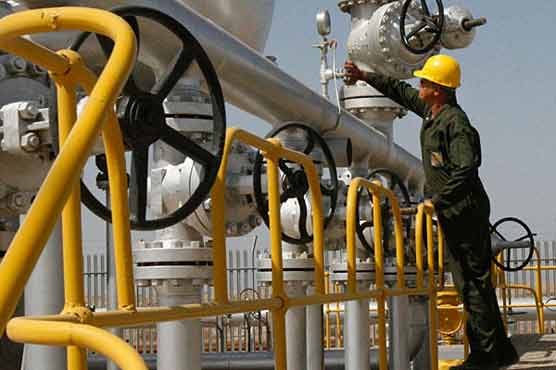
The Obama administration slapped Iran with more sanctions aimed at stifling its nuclear program. Traders, who worry that the sanctions will eventually lead to a military conflict in the Gulf, responded by buying oil.This just puts the risk back out there, said Phil Flynn, an oil analyst with Price Futures Group. The U.S. and other Western nations believe Iran is building a weapon and have heaped financial and diplomatic pressure on the country since November to force it to negotiate. Iran denies the claim. Its leaders have threatened to block a key shipping channel out of the Gulf if the sanctions continue.Such a move, or a conflict in the area, could slow down or even halt shipments out of one of the worlds most prolific sources of oil. About 20 percent of the oil traded around the world comes from the Persian Gulf. Sanctions helped cut Irans oil production by 188,500 barrels per day from May to June as buyers looked for other sources of crude, according to OPEC.Iran fell to No. 3 in OPEC production last month. Iraq moved to No. 2, behind Saudi Arabia.Oil prices, which had been down all day, jumped after the sanctions were announced. Benchmark U.S. crude added 27 cents to end at $86.08 per barrel in New York. Brent crude, which sets the price for imported oil, added 84 cents to finish at $101.07 per barrel in London.Thursdays sanctions were aimed at companies and people affiliated with Irans defense ministry. Previous sanctions were meant to curtail its ability to export oil. Earlier this year, European refineries stopped buying Iranian oil, and Irans banks were blocked from doing business with much of the world.For most of July, oil prices have been on a bumpy ride, changing direction almost every day as the global economy putters along.Investors and analysts say its hard to figure where prices are headed. China and other emerging economies appear to be using more oil. Yet those increases are offset by weaker demand in the U.S. the worlds biggest oil consumer where the job market has stagnated, and in Europe, which continues to wrestle with massive government debts.