Updated on
Summary Falling oil prices could trigger a prolonged slump in Russia.
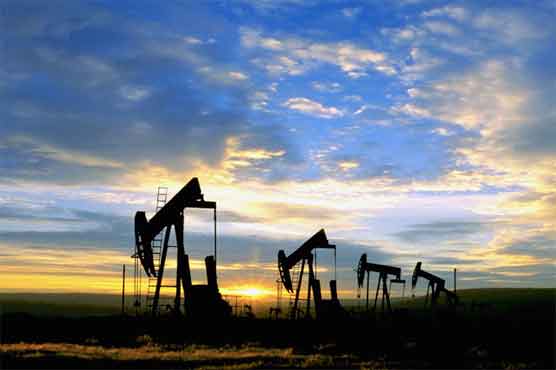
Falling oil prices could triggera prolonged slump in Russia that would lay bare the growingfiscal risks, threatening President Vladimir Putins electionpromise to increase wages and fanning public discontent.The worlds largest oil producer is well-placed in the shortrun to withstand sliding prices, thanks to sizeable cashreserves and a flexible rouble. An d P u tin, who returned to theKremlin after Marchs election, is still widely popular.But the oil price has fallen by over $30 dollars in the lastthree months, to close to $90 per barrel, and may fall further,narrowing his room for budgetary manoeuvre just as mass protestshave underscored dissatisfaction with the government.This is not the best start for the new government, saidPeter Westin, chief strategist Aton brokerage in Moscow.If the oil price is temporarily at these levels, or evenlower, its not a huge problem. The issue is whether it staysthere.Oil and gas taxes account for around half of revenues raisedby the federal budget, which Putin, as prime minister, used toboost public sector pay and pensions as a way of overcoming the2009 economic slump. Putin, who has taken a more populist approach to dealingwith his declining popularity, promised even more public sectorpay rises as part of his election campaign.While that would cushion the immediate blow of any slowdown,running down the fiscal reserves to maintain high socialspending would only increase Russias long-term vulnerability toyet another oil price shock.In the short term they can sustain a very low oil price,but they need to address the structural problems in health,education and pensions, said Ivan Tchakarov, chief Russiaeconomist at Renaissance Capital.This is not a sustainable fiscal policy, theres noquestion about it.