Summary Musharraf's name was included in the ECL by the Ministry of Interior.
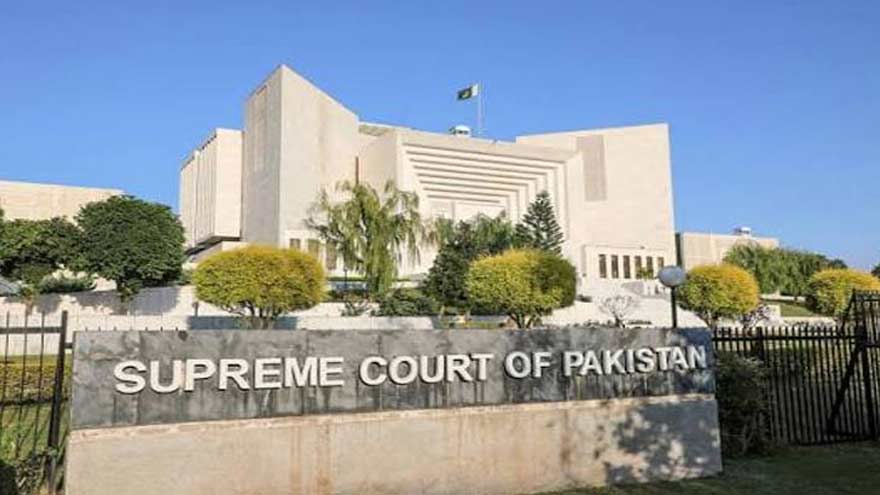
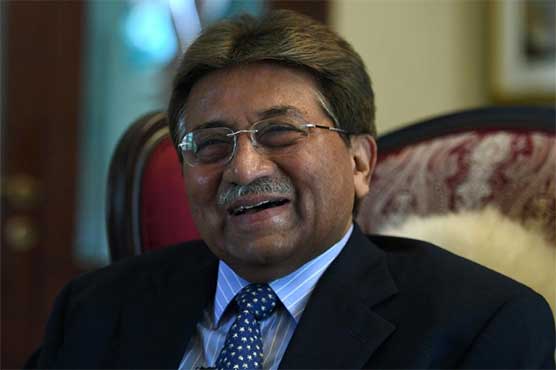
ISLAMABAD (Web Desk / AFP) – Dismissing the federal government’s appeal, the Supreme Court of Pakistan on Thursday allowed former military ruler Pervez Musharraf to go abroad, Dunya News reported.
The apex court upheld the Sindh High Court (SHC) verdict regarding removal of Musharraf’s name from the exit control list (ECL).
In a short verdict, Chief Justice Anwar Zaheer Jamali announced that the government’s appeal had been dismissed. But he said the government or a separate court could technically pass a fresh travel ban if they provided valid reasons.
Faisal Hussain, one of Musharraf’s lawyers, welcomed the verdict. "He can leave any time any time now -- there is no impediment or hurdle," he said.
He said Musharraf needs to go abroad for urgent spinal treatment not available in Pakistan.
The high court on June 12, 2014 had ordered that the name of former president should be removed from the ECL.
The federal government had appealed against the SHC’s decision to lift a travel ban which had briefly raised speculation that the 70-year-old could escape from a series of legal woes.
Opponents see the move as a ruse to flee the country and avoid a series of cases dating back to his 1999-2008 rule. These include an indictment for treason over his imposition of emergency rule in 2007, a historic first in a country ruled for half its existence by the military.
He has been staying with his daughter in Karachi since April 2014, where he travelled for tests at a navy-run hospital. Musharraf has been undergoing medical treatment since January 2014 after suffering heart problems on his way to court for a hearing.
The former ruler came to power in a bloodless coup in 1999, deposing then-prime minister Nawaz Sharif.
Facing impeachment following the 2008 elections, Musharraf resigned as president and went into self-imposed exile in Dubai. He returned to Pakistan in March 2013 with the hope of running in the national election held in May. But he was disqualified and has spent most of his time since battling legal cases.
There are now four outstanding cases against him all dating from 2007 -- including treason for the imposition of emergency rule, the unlawful dismissal of judges, the assassination of opposition leader Benazir Bhutto in a gun and suicide attack, and the raid on the Red Mosque.