Summary Prime Minister arrived in Karachi on one-day visit to discuss Karachi's security situation.
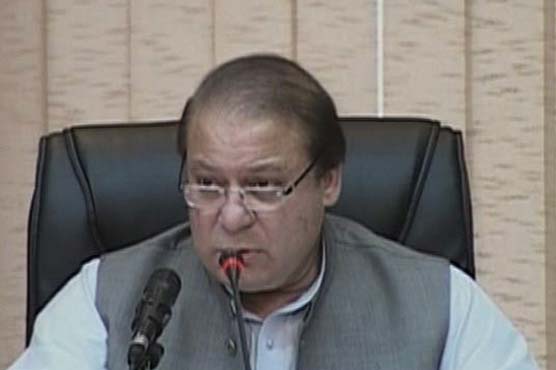
KARACHI (Web Desk) - Prime Minister Nawaz Sharif is chairing a high-level meeting to review law and order situation in Karachi today (Monday), Dunya News reported.
Governor Sindh Dr Ishratul Ibad, Chief Minister Sindh Syed Qaim Ali Shah, Federal Ministers Chaudhry Nisar Ali Khan and Khawaja Muhammad Asif, Army Chief General Raheel Sharif, DG ISI, DG ISPR, DG IB, Corps Commander Karachi, Chief Secretary Sindh, IG Police Sindh, Home Secretary Sindh, DG Rangers Sindh and senior officials are present in the meeting.
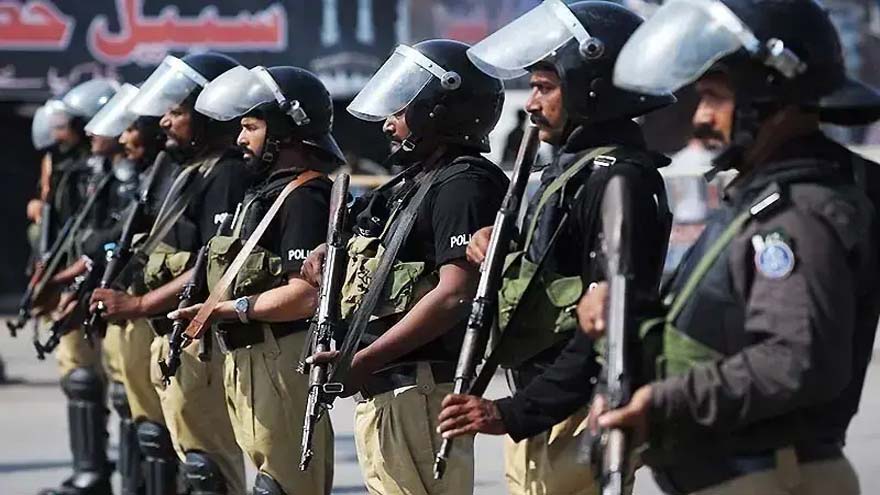
The meeting comes after the deadline provided for Rangers to exercise exclusive policing powers in the city of Karachi ended midnight Saturday as Sindh government failed to provide the extension.
The special powers to arrest and conduct raids were earlier provided to Rangers under the Anti-Terrorism Act and were part of the ongoing operation against terrorists and criminal elements in the city.
Previously, these powers were extended every 3 months via notification by the Sindh government; however the provincial government was unable to submit the request to the Federal government this time around.
READ MORE: Sindh govt fails to provide extension on exclusive power of Rangers
Earlier today, Chief of Army Staff (COAS) General Raheel Sharif chaired a meeting on security situation at Corps Headquarters in Karachi.
The meeting was attended by the Corps Commander Karachi and Directors General of ISI and Rangers.
Speaking on the occasion, General Raheel Sharif lauded army, rangers, intelligence and other law enforcement agencies for noticeable improvement in security situation through ongoing operations.
Karachi, a sprawling city of roughly 20 million, has long had a reputation for high crime rates as well as ethnic, political and sectarian violence.
Overall levels of militant, criminal and sectarian-linked violence have decreased significantly since paramilitary forces began a sweeping crackdown in 2013.